

The recent Kurdish–Kurdish agreement comes at a pivotal moment for Syria, a time marked by rapid internal shifts and deepening regional geopolitical challenges. It’s being viewed as a serious effort to rebuild unity within the fragmented Kurdish ranks and affirm the Kurds’ role as a key political player in shaping Syria’s future.
While the agreement carries hope and symbolic significance, it also raises complex questions. Can it hold amid growing regional and international tensions? What role will the Kurds ultimately play in any final political settlement in Syria? And how far can any consensus go with the emerging power structure in Damascus?
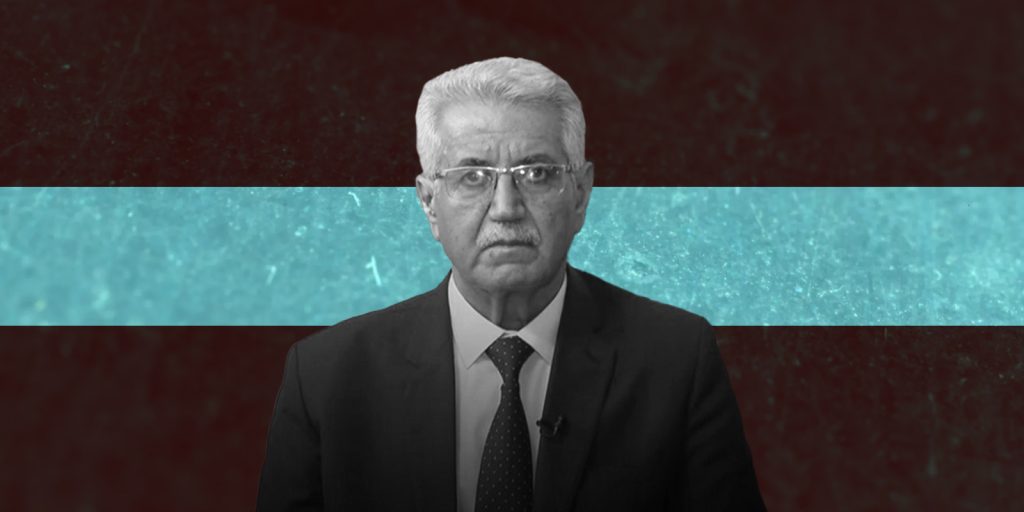
In this exclusive interview with “+963,” Mohammad Ismail, head of the Kurdish National Council (KNC), discusses the importance and implications of the agreement, the Council’s upcoming priorities, the conditions for any understanding with the Syrian regime, and the possible paths forward for the Kurds if talks stall. Ismail emphasizes that “this agreement reflects a Kurdish attempt to stay united in the face of the looming regional storm.”
Read also: Syrian Presidency Issues Statement on Kurdish Unity Conference
He also notes, “It’s still too early to say that the new authorities in Damascus are genuinely willing to fully recognize Kurdish rights or seriously consider decentralization,” adding that general statements about “rights for all” remain vague promises that have yet to translate into any concrete steps.
How do you evaluate the Kurdish–Kurdish agreement considering current changes within Syria? And how does it relate to broader regional dynamics?
This agreement represents a major step forward in trying to restructure Kurdish internal affairs, especially between political forces that have long been divided by ideological rivalry, like the Kurdish National Council and the Democratic Union Party (PYD). While past attempts didn’t always lead to lasting results, today’s moment is unique. It demands Kurdish unity both politically and nationally.
At the Kurdish National Council, we don’t see this as a short-term tactic. It’s a national imperative. The changes following the fall of the previous regime, shifts in internal power balances, and growing discussions around new regional arrangements all make a unified Kurdish stance critical to ensuring we’re not marginalized in any future settlement.
This agreement, in our view, is a serious attempt to stay unified amid potential pressures or exclusion. It’s a conscious response to regional transformations, where international deals are being made and zones of influence redrawn. That makes a unified Kurdish voice vital, both to express our people’s aspirations and to coordinate with Syria’s other communities.
Read also: Kurdish Unity Conference Calls for Democratic, Decentralized Syria
What are the Council’s top priorities if meaningful dialogue with Damascus begins?
We have a set of political and rights-based priorities that are non-negotiable and will form the foundation of any future negotiations:
- Constitutional recognition of Kurdish rights: We demand that the new Syrian constitution explicitly acknowledge the Kurdish people as a key national group, with equal rights and responsibilities, in line with international treaties.
- Political and administrative decentralization: We see decentralization as a fair way to balance national unity with the unique identity of each community. We want a decentralized model that allows Kurds real participation in managing their regions and shaping local policy.
- Return of displaced people: Especially in Afrin, Ras al-Ayn, and Tell Abyad, where thousands have been forcibly displaced. We demand their safe return and an end to demographic engineering efforts.
- International guarantees: Any agreement with Damascus must come with strong international guarantees to ensure no party can walk back on its commitments.
Do you see signs that the new Syrian authorities are ready to recognize Kurdish rights and embrace decentralization? What is your vision for decentralization in Syria?
So far, we haven’t seen any clear political will from the new authorities to seriously recognize Kurdish rights or adopt decentralization. Official statements often use broad language like “rights for everyone,” but there’s no concrete plan or legal commitment behind them.
We envision a future Syria built on:
- A democratic decentralized system that shares authority between the central government and the regions, ensuring fair political representation for all communities.
- Full recognition of the Kurdish people as an indigenous nation within Syria, with rights to education, culture, language, and self-administration, all within a united Syrian state.
- True political partnership in shaping Syria’s future, especially in drafting the new constitution and rebuilding state institutions.
What kind of guarantees do you expect if an agreement is reached with Damascus?
While it’s a bit early to go into detail before a clear negotiating team is in place, our vision for guarantees includes three key areas:
- Mutual trust: This is the cornerstone of any successful agreement and must be built through tangible commitments and mutual respect.
- Legal and constitutional guarantees: Any deal must be backed by clear, actionable constitutional texts.
- International oversight: We believe a third-party guarantor, like the UN or influential international actors, is essential to ensure all sides honour their commitments.
If talks with Damascus collapse, what alternative paths does the Kurdish Council envision?
As Kurdish parties, especially within the KNC, we have a long history of peaceful political engagement and struggle. The Council was created to unify Kurdish efforts and carry the Kurdish national project in Syria. We also have strong regional and international ties.
If dialogue fails, we will continue to push through peaceful political means. We’ll expand our engagement with other Syrian political forces, strengthen our international presence, and intensify diplomatic efforts to protect our people’s rights.
How much are you counting on international support at this crucial stage?
A sustainable and just solution for Syria can’t happen without serious and effective international involvement. We need more than supportive statements, we need real action that forces all parties to abide by international legitimacy.
We expect global powers, especially those actively involved in the Syrian issue, to play a key role in securing a fair settlement, one that genuinely reflects the hopes of all Syrian communities, especially the Kurdish people, who have long suffered from marginalization and denial.