


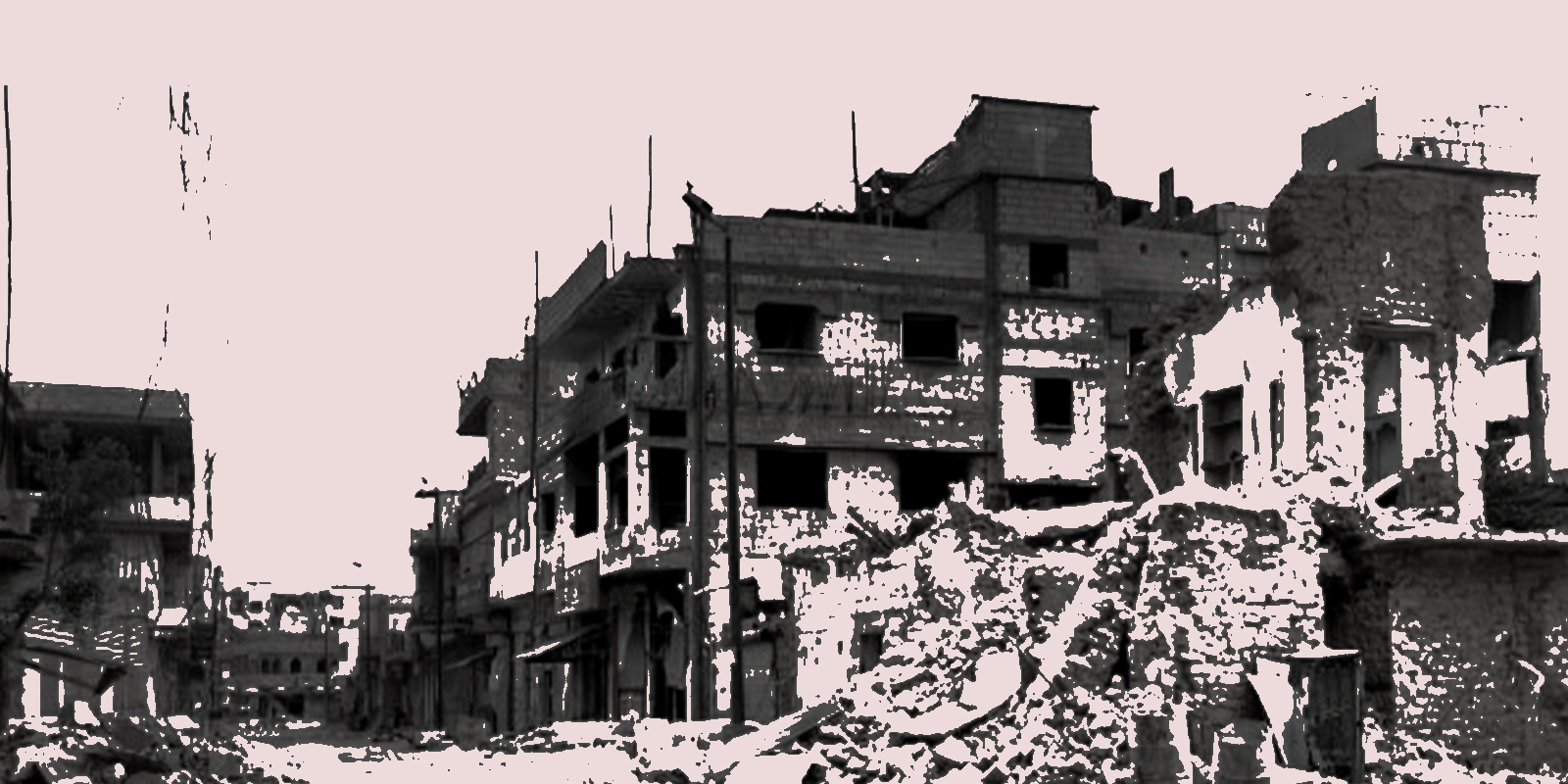
In 2025, Syria stands at a delicate crossroads following the fall of the former regime, facing immense political and economic challenges in its search for lasting stability. The Arab role has become a decisive factor in restoring internal balance and Syria’s regional standing, as the international community continues to stress respect for Syria’s sovereignty and territorial integrity while rejecting any foreign interference.
In recent days, a joint Arab–European statement reaffirmed that Syria’s security and stability are essential to regional peace. It called for a comprehensive, Syrian-led transitional process that meets the people’s aspirations for justice, citizenship, and accountability, while supporting reconstruction and economic recovery under international supervision to ensure transparency and good governance.
Arab Political and Economic Role
Firas Shaabo, professor of financial management at Başakşehir University in Istanbul, emphasised that the Arab role could be pivotal: “Arab countries can play a strong, vital, and central role – if they choose to activate it – in saving Syria politically and economically and ensuring its stability after the regime’s fall.”
Speaking to +963, he added that Saudi Arabia and other Arab states had already taken important steps: “Saudi Arabia was instrumental in lifting certain sanctions, reactivating Syria’s membership in the Arab League, and facilitating coordination with the United Nations. There has also been support from Qatar and the UAE, with Saudi Arabia contributing significant economic aid.”
Shaabo noted that current agreements, such as ceasefires and security arrangements, have helped reduce violence in areas like Suwayda. “Arab countries are acting as guarantors and observers, not occupiers,” he said. “The goal is Syrian-led negotiation that strengthens state institutions and restores Syria as a functioning state – not a fragmented one like Iraq or Lebanon.”
Conversely, Syrian writer and political analyst Kamal al-Labwani warned of the dangers of Arab disunity: “The main problem is the division of Arab states among competing regional and international blocs. Arab support should serve Syria’s independent interest, not the agendas of Israel, Turkey, or the United States.”
He added that any meaningful Arab engagement must be tied to UN Resolution 2254: “Arab countries should make their aid conditional on a unified plan to implement Resolution 2254 in spirit, not piecemeal.”
Shaabo also argued for a coordinated Arab framework: “There must be a unified Arab mechanism and vision so that Syria does not become a platform for external influence. Syria wants to safeguard its sovereignty, reactivate its national institutions, and maintain balanced relations with neighbours – including Turkey, Russia, Lebanon, and possibly Iran – under clear rules that prevent interference.”
Read also: Moscow and Damascus: A New Partnership Beyond the Assad Era
Reconstruction and Governance
On reconstruction, Shaabo highlighted persistent governance issues: “Both Arab and European states face challenges with transparency. Therefore, reconstruction must be tied to clear governance standards and possibly UN involvement – as seen in the Saudi and Qatari grant of around 90 million dollars channelled through the UNDP to ensure oversight and accountability.”
He added that a reconstruction conference could be held once Syria achieves basic stability: “Funding should come with guarantees that prevent misuse. The government could allow Arab private-sector participation, similar to existing deals with Qatar, the UAE, and Saudi Arabia, under strict transparency rules that prioritise social infrastructure projects such as electricity, water, and health.”
Labwani, however, cautioned that no reconstruction plan would succeed without political stability: “Without a secure political environment and rule of law, any aid will be wasted or misused. The focus should be on direct infrastructure projects – power, hospitals, food, and water – not politically driven funds.”
National Reconciliation and Transitional Justice
On national reconciliation, Shaabo said: “There is no need for Arabs to intervene directly in drafting Syria’s constitution. A genuine constitution should guarantee equality and freedom for all citizens, regardless of ethnicity or religion.”
He added that reconciliation and transitional justice must be real: “This means acknowledging crimes by all sides and holding perpetrators accountable without revenge. Only then can national unity and stability take root.”
Shaabo pointed to reintegration and employment programmes already under way: “Reintegration projects, reconstruction efforts, and neutral law-enforcement initiatives – such as those Turkey has begun – are crucial. They help secure the country, attract investment, and ease the government’s economic strain. Arab states can contribute with technical, logistical, and financial support.”
Labwani, for his part, underscored the need for a genuine national authority: “The current government continues to mortgage Syria to foreign powers. Without a sincere national authority that represents the people’s interests, Arab states cannot build a true partnership. The regime still prioritises pleasing Washington, Tel Aviv, and Ankara over serving Syrians or protecting Syria’s Arab ties.”
Read also: After Gaza Ceasefire: What’s Next for Syria–Israel Security Deal?
Foreign Presence and Regional Security
Shaabo underlined that all foreign military presence in Syria must end: “Foreign forces – whether Turkish, Israeli, Iranian, or Russian – are unacceptable. Gradual withdrawal and redeployment must be negotiated under Arab and UN sponsorship, with safeguards to prevent a security vacuum. This could involve Arab peacekeeping forces or local security training, alongside regional security arrangements with Turkey, Israel, Iraq, and others.”
He clarified that such agreements should remain security-based, not political: “Their purpose is to maintain stability and deter interference, following diplomatic and political norms.”
Labwani agreed: “The withdrawal of all foreign forces – including Turkish, American, Russian, and Iranian – must be a near-term objective under a defined timetable.”
Analysts concur that while the Arab role in Syria carries significant potential, it hinges on coherent coordination, conditional aid tied to transparency and governance, and a firm commitment to Syria’s independence.
Both Shaabo and Labwani stress that the main challenges remain national reconciliation, reconstruction, restoring security, and ending foreign occupation – all while fostering balanced relations with the international community. Ultimately, unifying Arab visions is seen as the key to securing Syria’s future free from external domination.











