


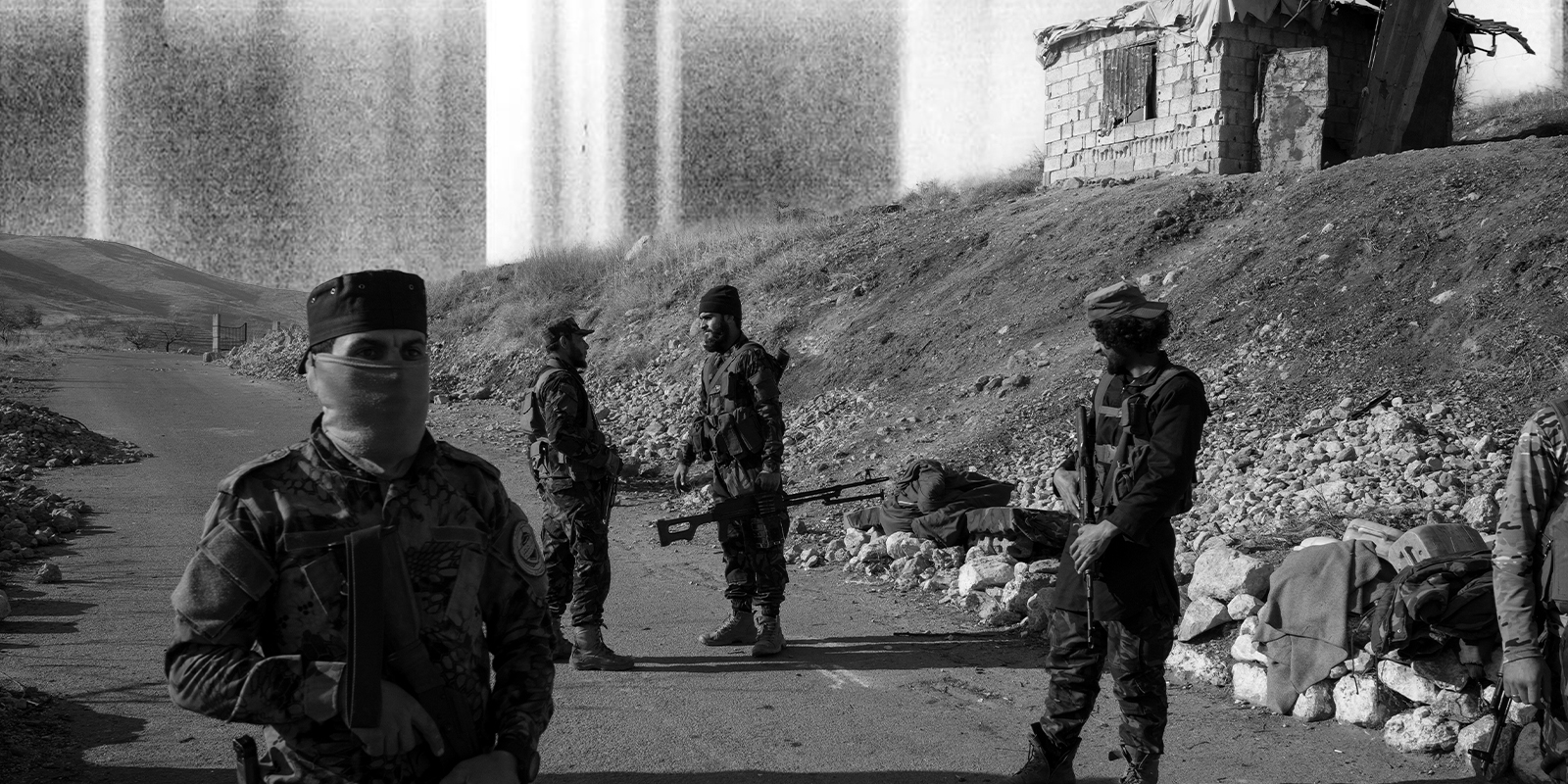
In recent weeks, Syria’s vast desert region, known as the Badiya, has witnessed renewed and alarming activity by ISIS, suggesting that the group may be attempting a resurgence after a period of relative decline. This revival has been most evident in eastern Syria and the desert heartlands.
According to U.N. and U.S. officials cited by The New York Times, ISIS has shown signs of growing strength, recruiting new fighters, and escalating its operations. While the group remains far from its peak a decade ago, when it controlled large territories in Syria and Iraq, experts warn that it could potentially orchestrate the release of thousands of hardened fighters currently detained by the Syrian Democratic Forces (SDF).
This concern was underscored last Thursday, when ISIS militants launched an attack on Palmyra and nearby areas in the Homs countryside. Several civilians were abducted during the assault. The bodies of two abductees were later discovered, while the fate of the others remains unknown. In response, Syrian Defense Ministry forces raised their alert levels across the Badiya, working in coordination with Free Syrian Army units stationed at the Al-Tanf base near the Syria-Iraq-Jordan border triangle.
Read also: Why Did the International Coalition Reject Damascus as a Partner Against ISIS?
Hundreds of Fighters, New Tactics
According to a confidential source quoted in issue nine of +963, around 250 ISIS fighters are currently active between Palmyra and Al-Sukhna. Among them are 30 foreign combatants from Europe, and more than 70% of the group reportedly suffers from war-related injuries or disfigurement. Many had previously withdrawn from Baghuz, moving northward toward Daraa and other regions before returning to the desert.
The source revealed that, even before the fall of the regime, ISIS had already begun shifting its tactical approach. Rather than launching large-scale offensives, the group now operates in small, highly mobile cells of five fighters, focused on hit-and-run attacks against vulnerable targets.
Local reports support this shift in strategy. Abu Ahmad (a pseudonym), a local activist in Deir ez-Zor, told +963, “At first, things were quiet, but now we see them moving again, mostly at night. It’s concerning.”
Omar Al-Jubouri, a resident of Palmyra, echoed the sentiment. “Their attacks are smaller now, but more precise. That makes them even more dangerous.”
Last week, ISIS militants raided homes on the outskirts of Palmyra, targeting shepherds and civilians. Six individuals were abducted; the bodies of Younes Jazaa and Jihad Ramadan were found the following morning. A relative of one of the victims shared their anguish with +963: “We have no idea where they were taken. We’re terrified. I still can’t believe they were killed like this. It’s unbearable.”
Read also: Renewed Warnings Over ISIS Resurgence in Syria
The same confidential source reported that ISIS is also forming new units to collect zakat (Islamic almsgiving), under the leadership of Abu Musab al-Hourani, originally from rural Daraa. The group’s current weapons chief in Syria, Abu al-Baraa al-Hamawi from Hama, is said to be moving covertly between the Palmyra and Raqqa deserts.
Residents confirm these reports. Samer Al-Mohammad, from western Daraa, said: “We’ve heard about these so-called zakat collectors. They move from village to village, demanding money, sometimes at gunpoint, other times using WhatsApp threats.”
Activist Ali Al-Safrani from Hama added that ISIS is relying on trusted intermediaries to maintain contact with scattered loyalist cells, an indication that the group is actively rebuilding its support network.
Intelligence Warnings and a Looming Military Campaign
A military source from Syria’s Ministry of Defense confirmed to +963 that the recent spike in ISIS activity has prompted serious concern. Reports from locals mention masked individuals moving at night, shouting ISIS slogans, and extorting residents in Palmyra and Al-Sukhna. There have also been new abductions.
At the start of this month, intelligence reports indicated that ISIS was establishing new sleeper cells aimed at targeting civilian infrastructure, prominent individuals, and military patrols. This resurgence has directly coincided with increased movement by the group across the Badiya.
The military source emphasized that multiple countermeasures are being implemented, including intensified patrols and a state of high alert. He also revealed that the Ministry of Defense is preparing to launch a wide-scale security campaign in the desert. Unlike previous efforts, which were often criticized as symbolic, this operation is expected to be more comprehensive and strategic.
Read also: SDF and Interim Government Representatives Conduct Joint Tour of Raqqa Countryside
In February, Abu Al-Shihab Tayanah, a commander with the Free Syrian Army, told +963, “ISIS still poses a serious threat. We need more logistical support and advanced training. The ongoing political chaos only worsens the situation, but if we can unite efforts, we can defeat them for good.”
Adel Al-Latif, a senior leader within the Syrian Democratic Forces, shared similar concerns in earlier comments to +963. “Despite our progress, ISIS remains a real danger. The security situation in liberated areas is still fragile. We’ve dismantled many sleeper cells, but the risk of the group reconstituting itself remains ever-present.”
Al-Latif also stressed the critical role of local cooperation in combating the group’s return. “We’re working to strengthen our military capabilities, but we also need broader international support, political, military, and economic, to ensure long-term stability and prevent ISIS from rising again.”











