


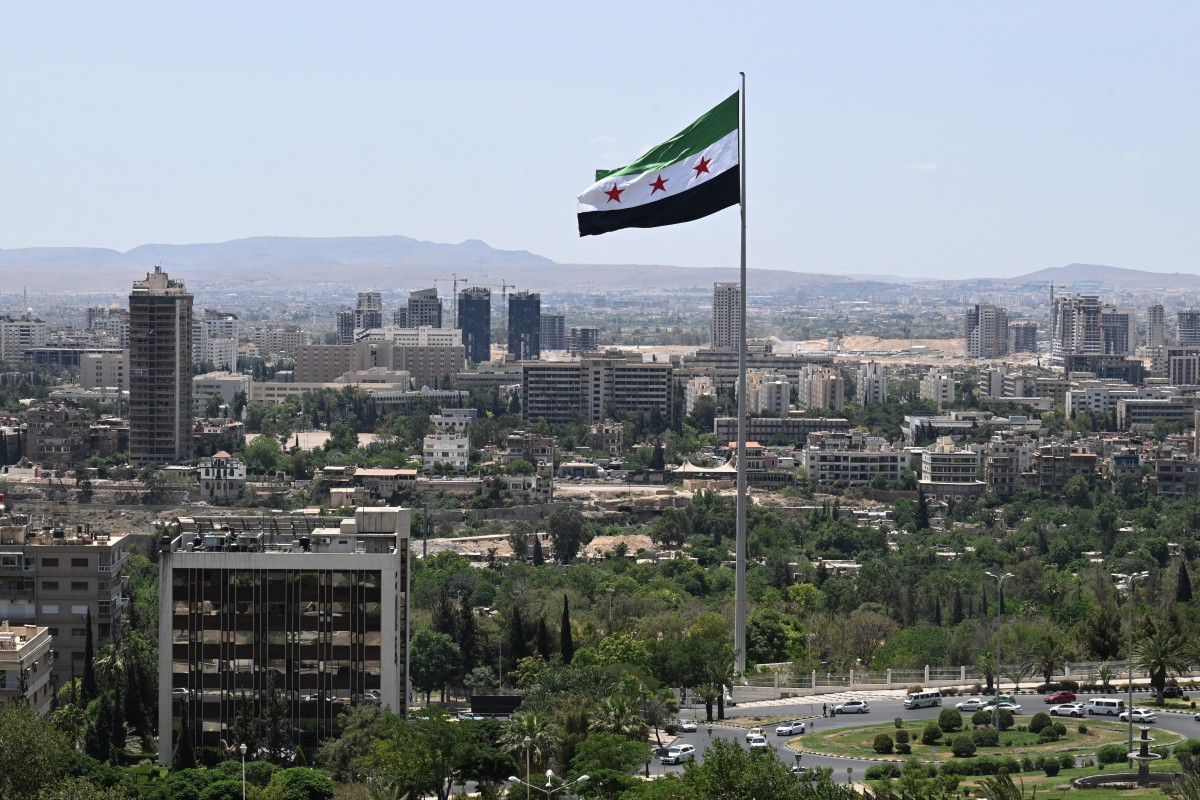
German Foreign Ministry spokeswoman Annika Claßen Idris reaffirmed on Sunday, June 08, her country’s support for the Syrian people as they work to rebuild their country and reclaim their freedom.
In a post on X, Idris wrote, “Freedom means the ability to shape one’s life with dignity and security, and the Syrian people are rebuilding this freedom step by step.” She added, “Germany supports the Syrian people in this rebuilding process.”
Her statement was accompanied by a video showing scenes of Eid al-Adha celebrations by Syrians across different regions of the country.
On March 17, former German Foreign Minister Annalena Baerbock pledged an additional €300 million in humanitarian aid to Syria, to be delivered through the United Nations and other humanitarian organisations.
According to Reuters, Baerbock stated, prior to the launch of the ninth Brussels Conference in support of Syria, that over half of the pledged funds would directly benefit the Syrian people and would be distributed without the involvement of the transitional government.
“These funds are intended to provide food, health services, and emergency shelters, in addition to protection measures for the most vulnerable,” Baerbock said at the time.
She also confirmed that Syrian refugees and host communities in Jordan, Lebanon, Iraq, and Türkiye would receive support.
Read more: Eid in Syria: Customs and Traditions That Have Not Disappeared
Baerbock emphasised the urgent need for a comprehensive political process to secure a peaceful future for Syria, and renewed calls for the Syrian government to launch an investigation into the killing of hundreds of civilians in coastal villages and to hold those responsible accountable.
On March 20, Baerbock announced the reopening of Germany’s embassy in Syria after a thirteen-year closure, according to Agence France-Presse (AFP).
Earlier in January, Baerbock had visited Damascus alongside her French counterpart, Jean-Noël Barrot. During the visit, they met with Ahmed al-Sharaa, head of the interim government at the time, and Asaad al-Shaibani, the provisional government’s Minister of Foreign Affairs.











