

By: Sarah Fakhro
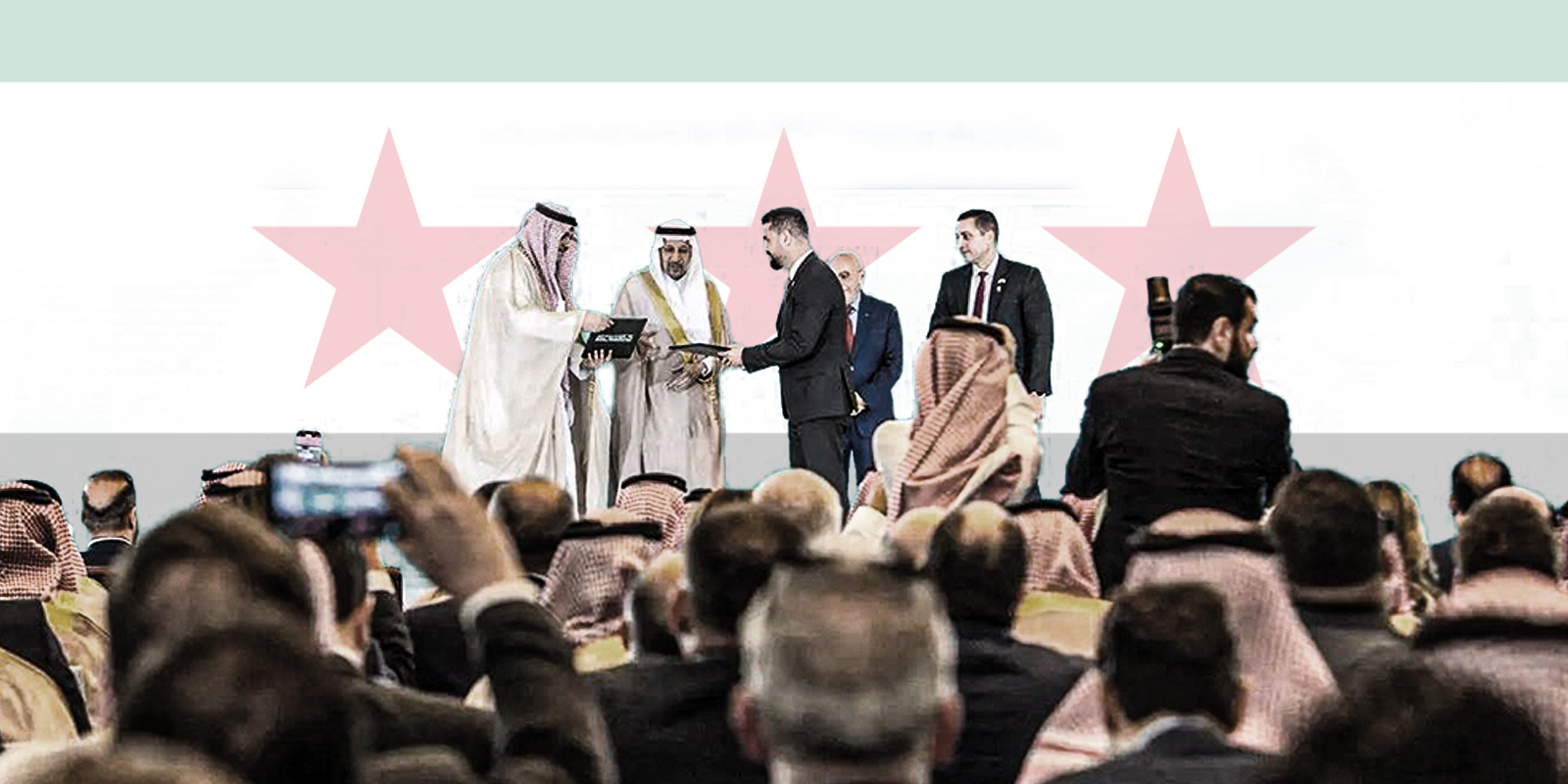
Economic activity is once again taking centre stage in Syria following a major announcement from Saudi Arabia outlining multi-billion-dollar investments across key sectors including energy, real estate, industry, infrastructure, financial services, healthcare, agriculture, telecommunications, IT, and construction.
Saudi Investment Minister Khalid Al-Falih stated that the Syrian Saudi Investment Forum will see the signing of 47 agreements and memoranda of understanding, with a total value approaching 24 billion Saudi riyals (approximately $6.4 billion USD).
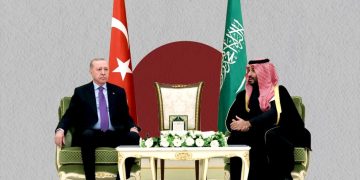
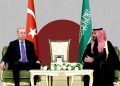
In his remarks at the opening of the forum, held Thursday in the presence of Syrian President Ahmad Al-Shara, Al-Falih announced that infrastructure projects alone will account for over 11 billion riyals ($2.93 billion USD), including the construction of three new cement plants.
One of the key highlights of the forum was the launch of a partnership between Syria’s Ministry of Telecommunications and several Saudi telecom companies to develop digital infrastructure and enhance cybersecurity capabilities. This agreement is valued at 4 billion riyals (roughly $1 billion USD).
Read also: A Fragmented Economy: Syria’s Struggle to Rebuild Across Divided Regions
Al-Falih also announced the formation of a Syrian Saudi Business Council, established by direct order of Crown Prince Mohammed bin Salman, and extended an invitation to Syrian investors to explore opportunities in the Kingdom. He noted that over 2,600 Syrian entrepreneurs are currently based in Saudi Arabia.
According to economic expert Suleiman Al-Nabki, “Saudi Arabia’s strong entry into the Syrian investment market will undoubtedly attract major regional and international firms, particularly those already operating in the Kingdom and the wider Gulf region.”
Al-Nabki added, “In recent years, Syria experienced a pause in investment activity despite earlier promises of large-scale deals. This was largely due to the absence of updated investment legislation and investor hesitation given the ongoing instability.”
The Deputy Governor of Damascus revealed that the city has three parallel investment tracks: reconstruction of damaged areas, development of zoned neighbourhoods, and projects in ready-to-build zones. These plans include rebuilding destroyed districts, constructing tourism facilities, and launching high-profile projects such as:
- $400 million for the Damascus Towers in Baramkeh (skyscrapers)
- $300 million for a cultural city
- $900 million for a medical city in Qudsaya suburb
- $500 million for a recreational city in the Adawi area
Read also: Extending the Caesar Act for Two More Years: What’s Behind the Decision?
Meanwhile, Omar Al-Hasri, head of Syria’s Civil Aviation Authority, said plans are underway to build a new airport in Damascus with a capacity of 30 million passengers, alongside the rehabilitation of the existing Damascus airport (targeting 5 million passengers annually), and upgrades to Aleppo International Airport to accommodate 2 million passengers. The government also intends to convert the Mezzeh military airbase into a civilian airport.
Economist Sameh Salim emphasized the importance of capitalizing on this Saudi investment momentum to create an attractive environment for additional foreign investments. “After 14 years of war, Syria urgently needs a comprehensive revival across all sectors,” he said.
Speaking to +963, Salim added, “The Syrian government must turn its focus inward. Many of the country’s tensions can be addressed through economic stability, improved living standards, essential services, and a robust reconstruction plan. Economic security will help attract new investments; just as the lack of it will drive them away.”