

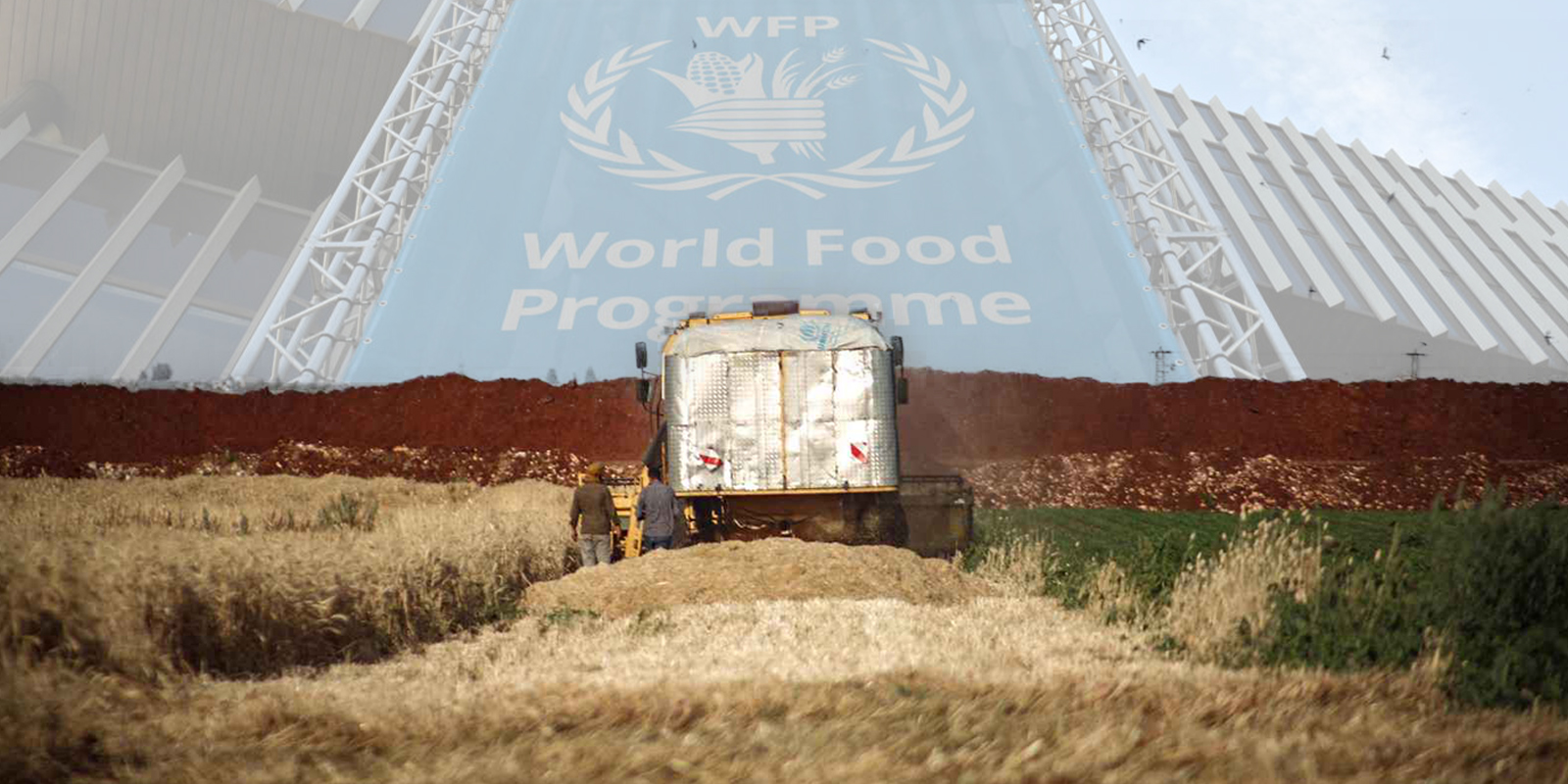
In a move reflecting growing international concern for Syria’s humanitarian crisis, the Syrian Ministry of Agriculture has signed a cooperation agreement with the United Nations World Food Programme (WFP). The partnership aims to support farmers affected by recurring droughts and to promote sustainable livelihoods in rural communities.
The agreement comes amid rising calls from humanitarian organizations to mobilize support for Syria’s recovery and foster greater stability in the face of mounting environmental and economic pressures.
Signed in Damascus by Syrian Agriculture Minister Amjad Badr and WFP Country Director Marianne Ward, the agreement outlines two integrated interventions based on assessed needs and operational feasibility. According to Syrian state news agency SANA, the initiative will target approximately 33,000 farmers.
The first intervention involves agricultural financial support for farmers impacted by drought in the provinces of Hasakeh, Aleppo, Idlib, Hama, Homs, and Daraa. Assistance will be provided over two to three agricultural cycles, depending on the severity of drought and household vulnerability.
The second component will offer emergency food assistance to farmers in Raqqa and Deir ez-Zor, through monthly food parcels distributed from August to December. This intervention is intended to address immediate nutritional needs and mitigate the impact of crop failures.
Read also: Can Syrian Agriculture Reclaim Its Former Strength?
Following the agreement, Minister Badr emphasized the importance of strengthening collaboration with UN agencies and providing critical support to farmers facing ongoing challenges, from wildfires and drought to infrastructure damage, which he attributed to the legacy of the previous regime.
WFP’s Marianne Ward highlighted the value of direct cash assistance, which allows farmers to meet essential needs flexibly and invest in the upcoming planting season, helping build long-term resilience in drought-affected areas.
Temporary and Unsustainable
Dr. Abdel-Tawab Barakat, a researcher at the Agricultural Research Centre and expert in agricultural policy and food security, told +963 that international aid is often “short-term and unsustainable.”
He cautioned that such assistance typically focuses on crisis mitigation rather than enabling developing countries to achieve true self-sufficiency. Barakat also noted that many aid programs are shaped by the political interests of donor countries, rather than by developmental goals.
Governments that are serious about achieving food sovereignty, Barakat argued, should adopt strategic plans focused on growing core staples like wheat, maize, cotton, and oilseeds, along with livestock and fisheries. This includes investing in agricultural research, supporting drought-resistant seed varieties, and offering fair purchase prices to farmers.
Barakat stressed that Syria has strong potential for self-reliance, especially in wheat production. He believes the country can overcome drought-related challenges and strengthen food security through its existing resources, reducing its dependence on politically driven international aid.
In 2010, agriculture accounted for roughly 17.6% of Syria’s GDP and employed about 17% of the labour force, around 900,000 people. But by 2024, after years of conflict, drought, and infrastructure collapse, that figure has dropped to just 12%. Nonetheless, agriculture remains vital to food security and rural employment.
Read also: Syria, WFP Sign Deal to Aid 33,000 Farmers Hit by Drought
Potential for Agricultural Recovery
Dr. Abdel-Ilah Fadel, an agricultural engineer based in Gaziantep, told +963 that the WFP agreement could positively impact Syria’s agricultural sector, particularly if it helps improve crop quality and supports the most vulnerable families.
Higher production, Fadel said, could lead to lower food prices and better nutritional outcomes. Increased local output would also reduce Syria’s reliance on imports, conserving foreign currency and strengthening food sovereignty.
He emphasized that cooperation with the WFP signals a shift toward sustainability, aiming to build the capacities of Syrian farmers and agricultural technicians. This, in turn, could create new jobs in farming and related industries, such as food processing and home-preserved goods, which require significant labour.
However, Fadel noted that the agreement does not fully address key obstacles such as limited access to inputs, including seeds, fertilizers, and equipment, which are either too costly, scarce, or of poor quality.
Still, he expressed optimism that the partnership may encourage other international organizations to launch complementary programs, helping Syria overcome its agricultural bottlenecks and revitalize local production.
Syria has experienced severe rainfall shortages and intensifying droughts in recent years, particularly in its northern and eastern regions, historically the country’s breadbasket. As a result, wheat and barley yields have fallen to record lows, exacerbating an already dire food security crisis.