

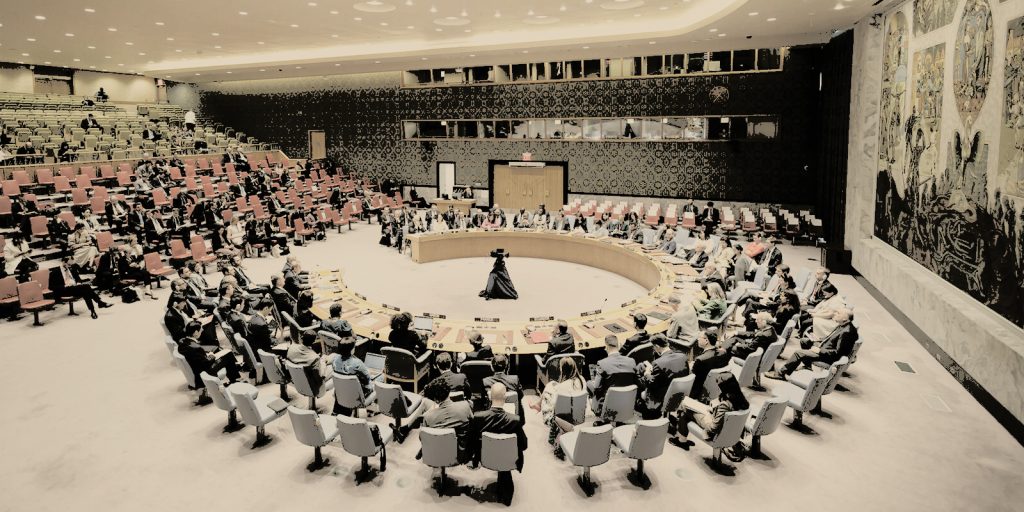
The United States this week launched a diplomatic initiative aimed at removing Syrian Interim President Ahmad Al-Sharaa and Interior Minister Anas Khattab from international sanctions lists through a draft resolution circulated to members of the UN Security Council. This step is seen as part of a broader effort to ease financial and political restrictions on Damascus, encouraging international involvement in reconstruction and reducing regional tensions.
Economists say the move could gradually transform the flow of funds in and out of Syria, reconnecting its economy to the global financial system and opening the door for international investments and development loans. However, some warn that without strict oversight of financial transactions and resource management, risks remain.
This development comes amid complex political and economic dynamics, including ongoing negotiations to lift the US “Caesar Act” sanctions and American efforts to reduce economic pressure on Syria as part of reintegration into the international system. Questions remain about Washington’s motivations and the readiness of international actors to engage in this new stage of financial openness.
A Beginning for Economic Opening
Dr. Ahmad Al-Zein, Lebanese political analyst, told +963 that lifting sanctions on Al-Sharaa and Khattab represents the start of foreign capital flowing into Syria. “This shows that Syria is back on the international reconstruction map,” he said, adding that this step coincides with the ceasefire in Gaza and the implementation of Trump’s second-phase plan, in which Syria is central.
Al-Zein emphasized that stability is essential for reconstruction, noting that companies from China, the US, and Russia will likely participate. “The first step is restoring the Syrian banking system, which was halted by sanctions,” he said. “Now, the global economy is opening to Syria, and we can expect funds from the World Bank, Europe, and the US.”
He explained that effective management by Al-Sharaa government will help Syria regain its regional and international role. “Hundreds of billions of dollars are needed for reconstruction, requiring integrated political, economic, and social action,” he said. “This influx of funds could create hundreds of thousands of jobs, encouraging Syrian refugees to return, including from Lebanon and Europe.”
Read also: International Recognition of Syria’s Elections: Between Necessity and Influence
Understanding the Sanctions
Syrian journalist Muhammad Fattouh, based in London, explained that international sanctions on Syria fall into two main categories: those imposed by the US and Europe, and those under UN Security Council authority. Most US and European sanctions, including those affecting individuals or entities classified as terrorists, are being lifted pending the full repeal of the Caesar Act. UN sanctions, however, are more targeted and focused on specific people and groups, including Al-Sharaa and Khattab, with ongoing negotiations among permanent members of the Security Council.
He also noted discussions about easing UN restrictions on arms exports to Syria to rebuild its army.
Impact of Sanctions Relief
Fattouh said the biggest impact on Syria comes from US and European sanctions, which severely restricted foreign investment, imports of essential goods and advanced technology, and integration into the global financial system. UN sanctions, by contrast, have a smaller effect, primarily symbolic, impacting the ability of leaders to travel freely and influencing international perception.
Reconstruction and Trust
Raising sanctions is expected to improve economic and living conditions, reconnect Syria to the global financial system, and facilitate the flow of funds from Syrians abroad, foreign investors, and international aid. Fattouh emphasized that rebuilding infrastructure and public services, energy, water, healthcare, depends on fully lifting sanctions, particularly the Caesar Act. Partial suspension does not give investors full confidence, as restrictions could return at any time.
He concluded that the Senate vote is a key step, pending approval by the House of Representatives. “Lifting sanctions restores confidence in Syria’s economy and opens the path to building a fully integrated, functional economic system.”