

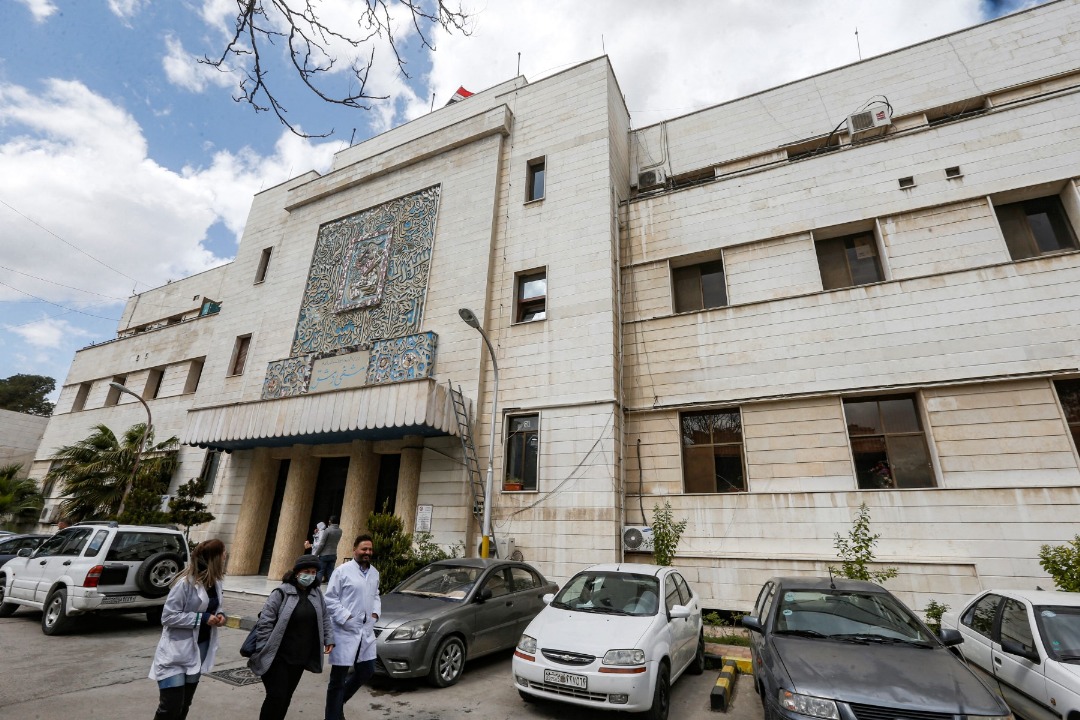
Syrian society is facing a critical shortage of medical professionals. The healthcare sector suffers from a severe lack of specialists due to the steady outflow of medical personnel over the past years. Many doctors were driven to emigrate to European, Arab, and African countries in search of stability and a better future, largely under pressure from the Assad regime.
This exodus began in the years following the start of the Syrian uprising. Many doctors left due to security crackdowns, imposed restrictions, and indefinite mandatory military service. Low wages also contributed: a doctor’s monthly salary does not exceed $20, while the minimum monthly cost of living for one person in Syria is about $150, according to economic reports.
A Temporary Return
In October, Dr. Imad Saadeh, head of the Damascus branch of the Syrian Doctors’ Syndicate, revealed a severe shortage in medical specialties, especially in anaesthesiology, pulmonology, psychiatry, neurology, intensive care (including paediatric ICU), and obstetrics. From the beginning of the year to the date of his statement, 465 doctors had applied for travel documents in Damascus alone, of whom 261 had already left.
Waseem Muhammad Bakeer, health programs coordinator at Bahar Humanitarian Organization in Syria, said in the sixth issue of +963 online newspaper:
“The haemorrhage of medical professionals is currently at its lowest level, due to the return of many doctors after the fall of Bashar al-Assad’s regime and the end of persecution.”
He explained that the cessation of security crackdowns encouraged doctors to return and offer medical care to their fellow Syrians. However, these returns are mostly temporary, many doctors have ongoing commitments and businesses abroad and have come back primarily to participate in medical missions out of national and humanitarian motives.
Still, the situation inside the country hasn’t fundamentally changed. The shortage of doctors remains acute, driven largely by emigration under the previous regime. Poor living conditions, low wages, security persecution, and compulsory military service pushed many to flee to Europe, Bakeer said.
He added that changes in asylum policies have had little impact, “There have been no major shifts in diplomatic relations that influence doctors’ ability to migrate. Nor have there been any significant updates to asylum or visa laws for medical professionals.”
Rebuilding Syria
Bakeer believes that the fall of the regime has helped reduce the exodus of Syrian medical professionals. In the past, quarterly reports under the regime warned of the ongoing brain drain, and medical students often planned to leave even before graduating to seek stability and avoid harassment.
Today, circumstances have changed. Many medical professionals now view this as a phase of rebuilding a new Syria. Those abroad have initiated medical missions, while those inside the country have integrated into newly liberated healthcare institutions.
Medical professionals are currently observing the economic, political, medical, and security situations with caution. Many are waiting for opportunities to emerge at home, hoping they won’t have to take risks. As Bakeer notes: “Doctors or nurses wishing to continue their studies may still emigrate, but they’re more likely to do so through official consular channels rather than through illegal routes.”
Read also: A Fragmented Economy: Syria’s Struggle to Rebuild Across Divided Regions
An Ongoing Trend
Dr. Jawad Abu Hatab, a cardiac surgery professor at the Faculty of Medicine at Free Aleppo University, expects that many doctors who had returned will once again consider emigration. After a few years of relative stability, the return of passport issuance and the desire for further education abroad will drive some to leave, along with others seeking better living standards.
In the same issue of +963, he stated that asylum policies have not reduced the brain drain: “Most doctors are heading to the Gulf or to pursue specialization in foreign countries. The fall of the regime hasn’t halted medical migration, on the contrary, demand for Syrian doctors remains strong in some Arab and African countries.”
He argued that the best way to curb the outflow is by raising salaries, not through state institutions, but by handing some healthcare facilities over to international organizations that pay in U.S. dollars. This, he said, might persuade doctors, nurses, and technicians to stay.
Government Promises
Dr. Zuhair Qarrat, Director of Planning and International Cooperation at the Ministry of Health, said that the emigration of medical professionals has declined following the fall of Assad’s regime. Many doctors, he noted, are looking more optimistically at developments inside the country.
He emphasized that this decline is not linked to asylum policy changes, but rather to a growing desire to rebuild Syria.
In the same issue of the newspaper, Qarrat said that medical professionals are waiting for real reforms in health institutions and the fulfillment of government promises to improve the healthcare and living conditions.
“The deposed regime had exerted significant pressure on medical professionals to push them toward emigration. But today, the desire to leave has greatly diminished among new graduates who prefer to stay in their homeland.” Qarrat added.
The Numbers Behind the Exodus
In September, the former state-run Tishreen newspaper, now rebranded as Al-Hurriya, reported that more than 25,000 doctors have left Syria since 2011. The paper described this figure as substantial and growing, noting that many medical students still plan to complete their studies and emigrate.
The paper also revealed that Somalia alone hosts more than 500 Syrian doctors, while 5,339 have migrated to Germany, according to official German statistics from 2022. The rest are spread across a wide range of Arab and European countries.
The ongoing exodus of Syrian doctors continues to deeply concern those involved in the healthcare sector. Public and private hospitals alike are suffering, with severe shortages in core specialties like anaesthesia, oncology, and surgery.