


The relationship between Syria and Iraq has long been a complex one, shaped by deep historical ties yet marked by political divisions. Throughout the rise of the Baath party in both countries, the two neighbors experienced fluctuating phases of cooperation and conflict. The rivalry between Syrian leader Hafez al-Assad and Iraqi president Saddam Hussein during the Iran-Iraq War intensified tensions, and after Saddam’s fall in 2003, a new chapter began; one still heavily influenced by regional interventions.
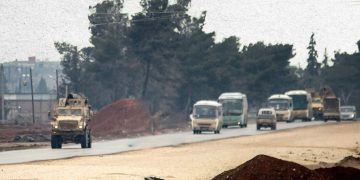
During the Syrian civil war, Iraq’s support for the Assad regime through Shiite militias deepened sectarian divides, further complicating bilateral ties. Today, Syria and Iraq face significant challenges, including the need for joint security cooperation to combat ISIS and manage their shared borders. Yet, Iran’s strong influence over Iraq hampers genuine rapprochement, despite ongoing efforts to revive cooperation.
The people of Syria and Iraq, however, share aspirations for freedom and stability. Economic interests, such as oil and development projects, may offer a pathway toward rebuilding relations beyond sectarian and political conflicts. This raises the question: can Syria and Iraq truly turn the page, or will the legacies of the past and current regional conflicts continue to define their relationship?
Historical Context and Persistent Tensions
Hassan Al-Nifi, a Syrian writer based in France, told +963 that tensions between Syria and Iraq have been constant since the late 1970s due to the rivalry between the two branches of the Baath party ruling each country.
“Even after the fall of Saddam’s regime following the US invasion in 2003, relations never reached the level needed,” Al-Nifi explains. “The Iraqi ruling factions believed Damascus supported Islamist groups resisting the occupation. We face a legacy of deep distrust and unease between the two governments.”
Read also: Is the Syria–Saudi ‘S–S Equation’ Making a Comeback in Lebanon?
Iranian Influence and Regional Realities
Al-Nifi adds that Assad’s regime’s survival during the Syrian conflict only widened the divide, as regional and international alignments pulled the two countries further apart. Al-Nifi highlights that Iraq’s ruling coalition is largely an extension of Iranian influence, based on sectarian and ideological loyalty.
Despite the Iraqi government’s official calls for balanced relations with Syria’s new government, these appeals lack strong backing within Iraq’s political forces. This makes any real progress fragile and uncertain.
Al-Nifi emphasizes, “As long as Iranian dominance over Iraq continues, Iraqi foreign policy will remain tied to Tehran’s regional agenda. This dims prospects for deepening relations with Damascus.”
He notes that while formal diplomatic ties might exist, practical cooperation will likely be limited to shared security concerns, particularly the fight against ISIS and extremist groups, rather than blossoming into warm, fraternal relations reflective of the close cultural and historical bonds between the Syrian and Iraqi peoples.
Shared Challenges and Hopes
Sabah Al-Akili, director of the Al-Hadaf Center for Strategic Studies, told +963 that despite political fluctuations, ties between the Syrian and Iraqi peoples remain strong and positive.
He reminds that both nations endured decades of Baathist authoritarian rule, which left a heavy legacy of repression. With the fall of the Baath regimes, the peoples of Syria and Iraq have begun to breathe freely, aspiring to choose their political paths independently.
Al-Akili stresses that while grassroots connections between Syrians and Iraqis persist beyond politics, official Damascus-Baghdad relations remain unstable. Ongoing violence and instability in Syria complicate this dynamic.
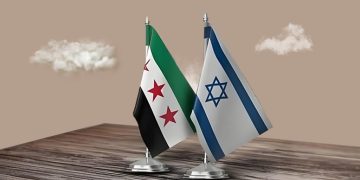
He points out that one major obstacle is Israeli military presence and operations in southern Syria. Nonetheless, Iraq has expressed openness to Syria’s changing landscape and hopes for stability, which would positively impact both countries.
Cooperation against terrorism remains a key area where the two sides could find common ground, as Syria continues to face threats from extremist groups alongside ISIS.