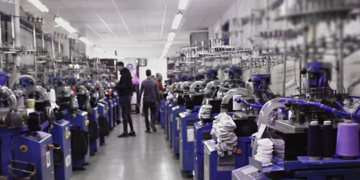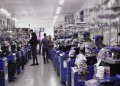



Once considered Syria’s economic capital, Aleppo saw a dramatic decline in its industrial and commercial sectors during years of war. Factories and workshops were destroyed, infrastructure collapsed, and much of the skilled workforce fled or relocated.
According to Abdul Hakim Al-Masri, Minister of Economy in the Syrian Interim Government, Aleppo was home to one-third of Syria’s industries and a quarter of its workforce, contributing an estimated $15 billion to the GDP and accounting for half the country’s exports before 2011.
In this +963 interview, Mohammad Said Sheikh Al-Kar, Head of the Aleppo Chamber of Commerce, discusses the city’s current economic landscape, the pace of recovery, and what lies ahead for trade and industry in post-conflict Aleppo.
How would you describe the current state of trade in Aleppo?
Aleppo has always been Syria’s capital for trade and industry, with a long legacy in textiles, pharmaceuticals, and manufacturing. It was a vital stop on the Silk Road for centuries. However, over the last decade, the war forced many traders and industrialists to flee, triggering a near-collapse in both sectors.
Today, we’re focused on rebuilding that foundation. The government must offer real incentives and remove bureaucratic hurdles to bring back skilled professionals and business owners. Our goal is to restore Aleppo as a leading industrial and commercial center not just in Syria, but across the region.
Read also: Syria Seeks Alternatives for Currency Printing: Between Economic Necessity and Political Alliances
Has the recovery process truly begun? What about foreign investment?
Yes, we’ve already seen signs of recovery. Many business owners have reopened their factories and resumed production. This has created jobs and revived commercial activity.
As for foreign investors, there’s real interest but also understandable caution. Investors want political, economic, and legal stability. Syria offers vast opportunities in agriculture, industry, and commerce, and we have a skilled youth population ready to work. The new government supports investment and is making tangible reforms.
Have there been any international delegations or investor visits to Aleppo recently?
Yes, we’ve hosted delegations from Turkey, some European countries, and even the U.S. These visits were exploratory, but many expressed readiness to invest. Syria currently offers low labor costs and abundant raw materials. If energy prices continue to drop, our industrial sector could become highly competitive.
What’s the current recovery rate in Aleppo’s trade and industrial sectors?
We estimate recovery at around 50%, especially when looking at how traders are preparing to restart or expand their businesses. Many outdated laws have been repealed, and the government now allows freer import-export activity. Local industries are reviving thanks to accessible raw materials like cotton, phosphate, and agricultural products.
Read also: Bread, Wages, and a Failing Lira: Syrians Face Mounting Economic Despair
How many traders have returned so far?
We don’t have exact numbers yet, but the return is noticeable and encouraging. We’re seeing new factories open weekly. Continued improvement in infrastructure, particularly power and transport, will likely bring more entrepreneurs back. We recently had several trade delegations visit, and major projects are expected to launch soon.
Are there legal reforms in the works to support trade?
We’ve proposed changes directly to top government officials and relevant ministries. The aim is to ease trade procedures and encourage Syrian business owners abroad to reinvest here. For example, new legislation now allows returning industrialists to import used machinery tax-free, provided they restart production.
Can the current government plan accelerate economic recovery?
There are serious challenges, no doubt. Decades of economic mismanagement and a devastating war have taken a toll. But we believe recovery is possible with coordinated efforts between the government, local business leaders, and the diaspora.
Read also: Syrian Border Crossings: Paving the Way for Economic Revival
What are your future plans for revitalizing trade in Aleppo?
Since the fall of the former regime, we’ve held frequent meetings within the Chamber to redefine our role, not as a tax collector but as a service institution. We’re working on offering new benefits to members, including travel, hospitality, and healthcare discounts. A full development plan will be announced soon, focused on fast-tracking trade recovery and supporting Aleppo’s business community.