


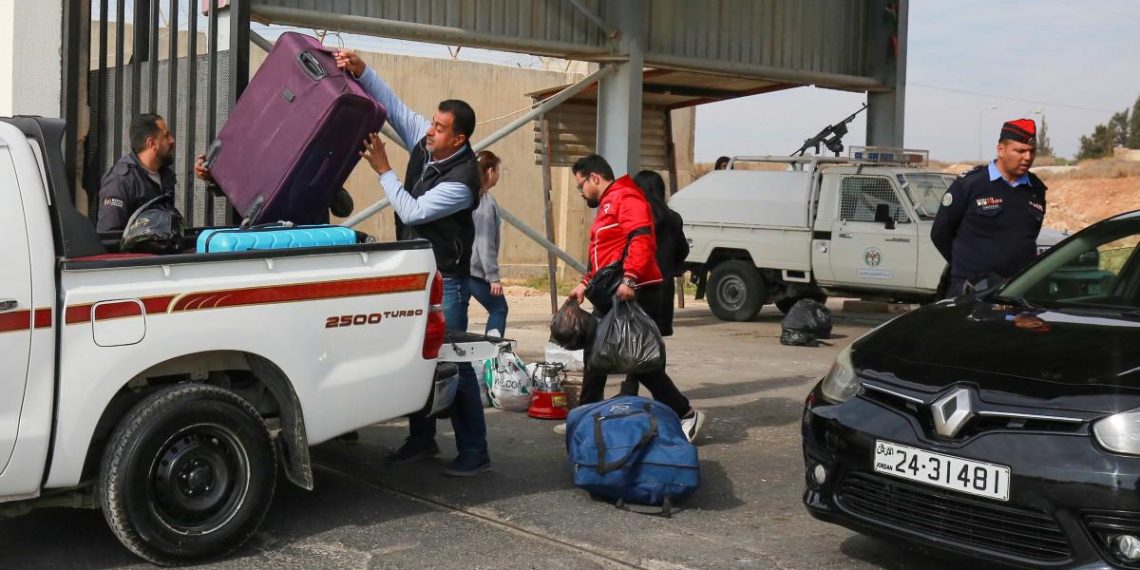
DAMASCUS – More than one million Syrians have returned to their original areas of residence since November 2024, according to the United Nations, though internal displacement remains widespread amid ongoing insecurity, damaged infrastructure, and a worsening humanitarian crisis.
In a statement released on Friday, the UN Office for the Coordination of Humanitarian Affairs (OCHA) said approximately 1.07 million internally displaced people (IDPs) had returned to their communities across Syria between November and early May. However, the number of new displacements during the same period reached 670,000, underscoring persistent instability.
Among the returnees, around 462,000 were previously displaced within Syria prior to November. Another 333,000 people have left camps in northwestern Syria since December, although many remain unable to return due to unsafe conditions.
The UN also reported that approximately 3,000 families, equivalent to 13,000 individuals, have returned from the northeast to areas under the control of the Syrian interim government since December.
Read also: UNICEF Introduces LAHA A Dedicated Platform for Women-Only
Explosive remnants of war continue to take a heavy toll. Since December 8, 2024, over 900 civilian casualties have been recorded due to landmines and unexploded ordnance, including 367 deaths and 542 injuries. Children accounted for more than a third of the victims, the UN said.
Humanitarian needs remain staggering. An estimated 16.5 million Syrians require some form of assistance, including 7.4 million IDPs. The 2025 Humanitarian Response Plan aims to support 8 million people between January and June.
In northeast Syria, over 27,000 IDPs from the northwest are sheltering in collective emergency centres, including 133 schools repurposed as temporary housing. The use of school facilities has disrupted the education of at least 72,000 children. Sixty-two schools require partial rehabilitation before they can reopen to students.
On April 12, the UN Refugee Agency (UNHCR) warned that a sharp drop in funding could reverse progress in refugee returns. “Severe funding shortfalls could undermine plans for the return of 1.5 million Syrian refugees this year,” UNHCR spokesperson Céline Schmitt said at a press briefing in Geneva.
Read also: U.S. Says Qatari Grant for Syrian Salaries Does Not Signal Policy Shift
She noted that about 400,000 refugees had returned to Syria from neighbouring countries since the fall of Bashar al-Assad’s government in early December 2024, alongside over one million internally displaced returnees, bringing the total to more than 1.4 million.
Schmitt emphasized the need for robust support in housing, livelihoods, legal aid, and protection services to ensure voluntary, safe, and sustainable returns. She added that the summer months present a critical window for returns as the academic year concludes.
Schmitt warned that without ongoing funding, many returnees may leave their communities again due to inadequate services. Over 6 million people need aid, and 7.4 million remain displaced within Syria.











