


Damascus, Syria – Syria is preparing to rejoin the SWIFT global payment network within the coming weeks, a significant step toward reintegrating the country into the international financial system after more than a decade of isolation, according to the governor of Syria’s Central Bank.
In an interview with the Financial Times, the new Central Bank Governor Abdelkader Husrieh said the move is part of a broader roadmap to restructure Syria’s financial system and overhaul its monetary policy in an effort to rebuild an economy devastated by years of sanctions and conflict.
“Swift’s return will help encourage foreign trade, cut import costs and facilitate exports, and bring much-needed foreign currency into the country,” Husrieh said. He added that the measure would also support anti-money laundering efforts and reduce Syria’s reliance on informal cross-border financial networks that have sustained trade during years of international isolation.
Read also: For the First Time in 18 Years, IMF Mission Arrives in Syria
Syria’s local banks and its central bank have already obtained SWIFT codes, Husrieh noted, with the final step being the resumption of correspondent banking services to process transactions.
The government plans to strictly regulate foreign currency flows by mandating that all international trade be routed through official banking channels, a move that would eliminate the role of informal money changers, who currently charge fees of up to 40 cents per dollar entering the country.
To bolster investor confidence, Syria will offer guarantees to support foreign investments and reinvigorate its banking sector, Husrieh said.
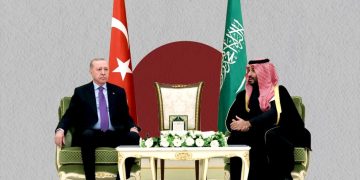
In a related development, Syrian Economy Minister Mohammad Nidal al-Shaar recently held a virtual meeting with Saudi Investment Minister Khalid Al-Falih to discuss expanding bilateral cooperation and encouraging Saudi and Arab investment in Syria’s rebuilding efforts.
Read also: Syria Reopens Stock Market After 6-Month Freeze
Al-Shaar expressed Syria’s commitment to fostering closer economic ties with Saudi Arabia and providing a favourable environment for investors, highlighting the importance of public-private partnerships in driving future growth.
Meanwhile, in a further sign of Syria’s gradual financial re-engagement, an International Monetary Fund (IMF) technical delegation visited Damascus last week, the IMF’s first visit to Syria in 18 years. The mission, led by Ron van Rooden, included experts from five IMF departments and focused on advising Syrian authorities on fiscal policy, tax and customs reforms, public debt management, financial sector oversight, and anti-money laundering strategies.