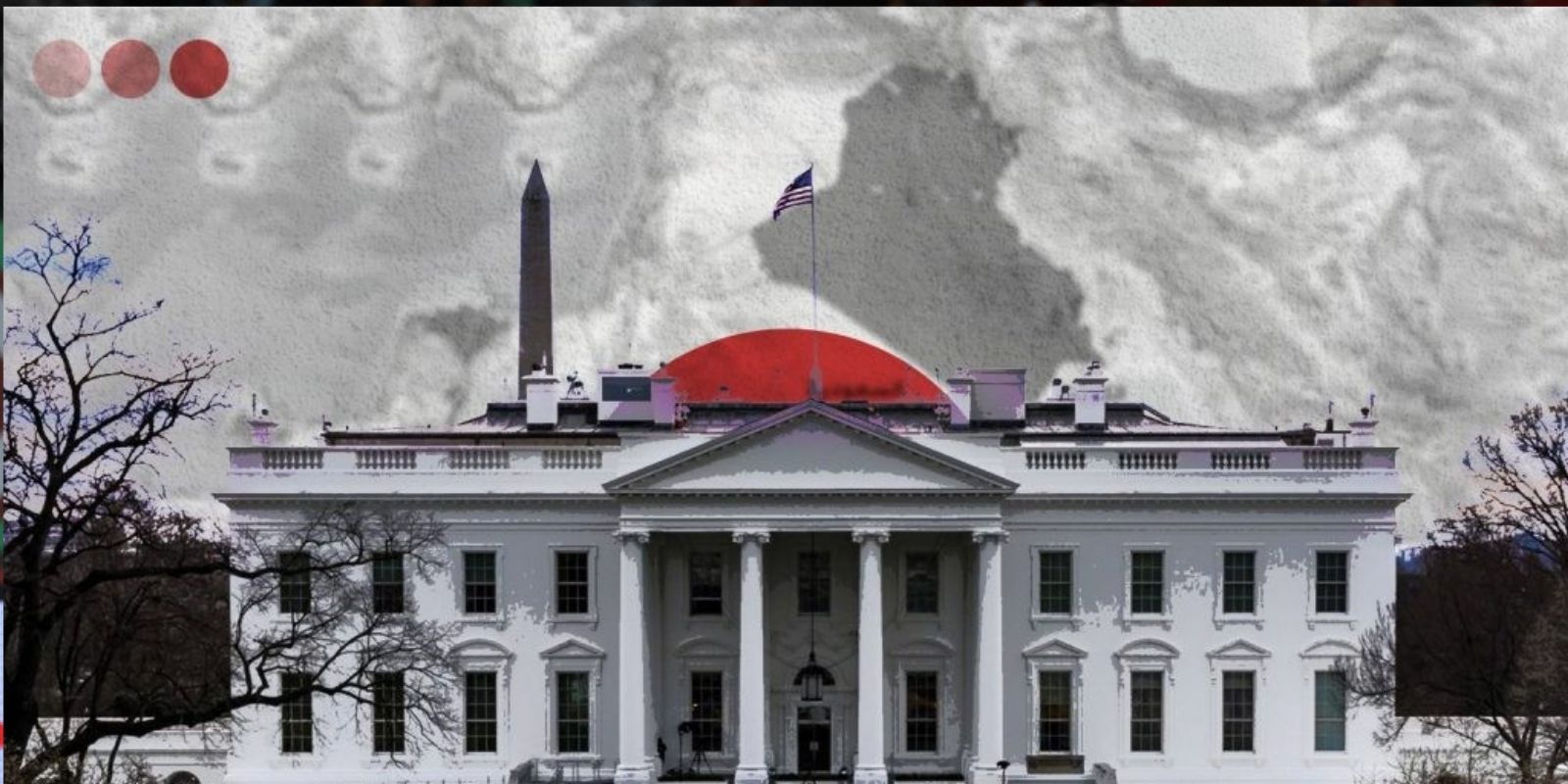
2025 draws to a close, Iraq finds itself navigating one of its most sensitive political and security phases in years. Regional turbulence, shifting power dynamics, and renewed international pressure are converging to reshape Baghdad’s priorities and alliances. In recent days, Washington has intensified its calls for Iraq to neutralize Iran-aligned armed factions, framing the issue as central to reducing regional tensions and reinforcing state authority. This stance places the Iraqi government at a crossroads; caught between the expectations of its strategic partnership with the United States and the realities of its complex regional relationships.
Recent developments suggest an acceleration of efforts to dismantle or integrate some armed groups into formal state institutions through a national framework for disarmament, demobilization, and reintegration. These moves come in response to U.S. concerns over the influence of such factions on Iraq’s internal security and political stability. At the same time, Baghdad has sought to balance these pressures by maintaining security coordination with Tehran along shared borders. Persistent drone attacks and sporadic violence, however, continue to expose the fragility of Iraq’s security environment and its vulnerability to broader regional conflicts, pushing the country into a delicate transitional phase marked by competing centres of influence.
Warning Politics and the Extraction of Concessions
Hani Suleiman, director of the Emirates Policy Centre and a Cairo-based expert on Iranian affairs, told +963 that U.S. threats against Iran-aligned Iraqi factions combine seriousness with strategic pressure. According to Suleiman, Washington aims to extract maximum concessions, at the very least ensuring that these groups remain neutral in any future regional confrontation.
He links the timing of these warnings to Israeli Prime Minister Benjamin Netanyahu’s efforts in Washington to persuade U.S. President Donald Trump to endorse potential military scenarios. Suleiman argues that the warnings are designed primarily to prevent armed factions from targeting U.S. interests, while signaling Washington’s preference for disarmament or political marginalization rather than direct confrontation.
Despite this, Suleiman remains sceptical that the United States is willing or able to forcefully disarm these groups. He views military coercion as an unlikely and costly option, suggesting that U.S. pressure is real but conditional, shaped by political calculations and risk aversion rather than a readiness for direct conflict.
From Baghdad, political and strategic analyst Jassim Al-Gharabi told +963 that Iraqi political actors have begun to recognize a shift in U.S. policy after more than two decades of engagement. He argues that future governments may increasingly reflect American preferences, especially considering recent regional developments in Gaza and Lebanon.
Read also: Iraq’s Terror Listing U-Turn and the Limits of State Decision-Making
Sanctions Instead of Confrontation
Suleiman believes Washington’s most effective tool lies in sanctions rather than force. Targeted economic measures, he argues, could weaken armed factions by disrupting funding networks and supply chains without dragging the United States into open conflict.
He points to President Trump’s preference for maximum pressure tactics – using threats and economic tools while avoiding direct military engagement – a strategy previously employed in cases such as Venezuela. This approach, Suleiman suggests, places responsibility squarely on the Iraqi government to manage the issue internally.
As for the factions themselves, Suleiman expects resistance, denial, and defiance. He doubts their willingness or readiness to surrender weapons or fully integrate into state institutions, noting that such a move would contradict Iranian strategic interests. These groups, he argues, remain deeply embedded in ideological, financial, and organizational networks tied to Tehran, making disarmament a slow and risky process.
Disarmament and the Rebalancing of Power
Suleiman emphasizes that any meaningful disarmament would significantly alter the balance within Iraq’s Shiite political landscape. For years, Iranian-backed factions have enjoyed expanded influence, often at the expense of more nationally oriented Shiite movements. Reducing their power, he argues, could restore a degree of political equilibrium and reshape Iraq’s sectarian and electoral dynamics.
Such a shift would also affect Sunni and Kurdish actors, whose political influence has waned amid years of fragmentation. A recalibration of power, Suleiman notes, could revive political competition and reshape Iraq’s security architecture – but only if pursued through consensus rather than coercion.
He warns that forced disarmament could trigger renewed instability, while a negotiated, inclusive process might help close a long chapter of violence and militia dominance. Some militia leaders’ declarations of readiness to fight alongside Iran in a future war, Suleiman adds, have already raised concerns about cross-border loyalties undermining Iraqi sovereignty.
Iran’s Role and U.S. Calculations
Despite setbacks across the region, Iran retains substantial influence in Iraq through long-standing political, security, and ideological ties. Suleiman argues that Tehran will likely shape how armed factions respond to pressure, potentially encouraging defiance if disarmament threatens its regional leverage.
Any successful effort to dismantle or integrate these groups would represent a significant blow to Iranian influence, particularly at a time when Tehran faces growing regional and international challenges.
Al-Gharabi, however, offers a more cautious outlook. He notes that some factions have already signalled a willingness to hand over weapons, suggesting that a negotiated settlement remains possible. He adds that Washington is unlikely to destabilize Iraq further, especially given the volatile situation in neighbouring Syria.
With Iraq and Syria deeply interconnected, al-Gharabi argues, neither Washington nor regional actors appear eager for a new cycle of armed confrontation. Instead, he anticipates a gradual, negotiated process of disarmament under Iraqi state supervision – one aimed at restoring balance without triggering another crisis.