

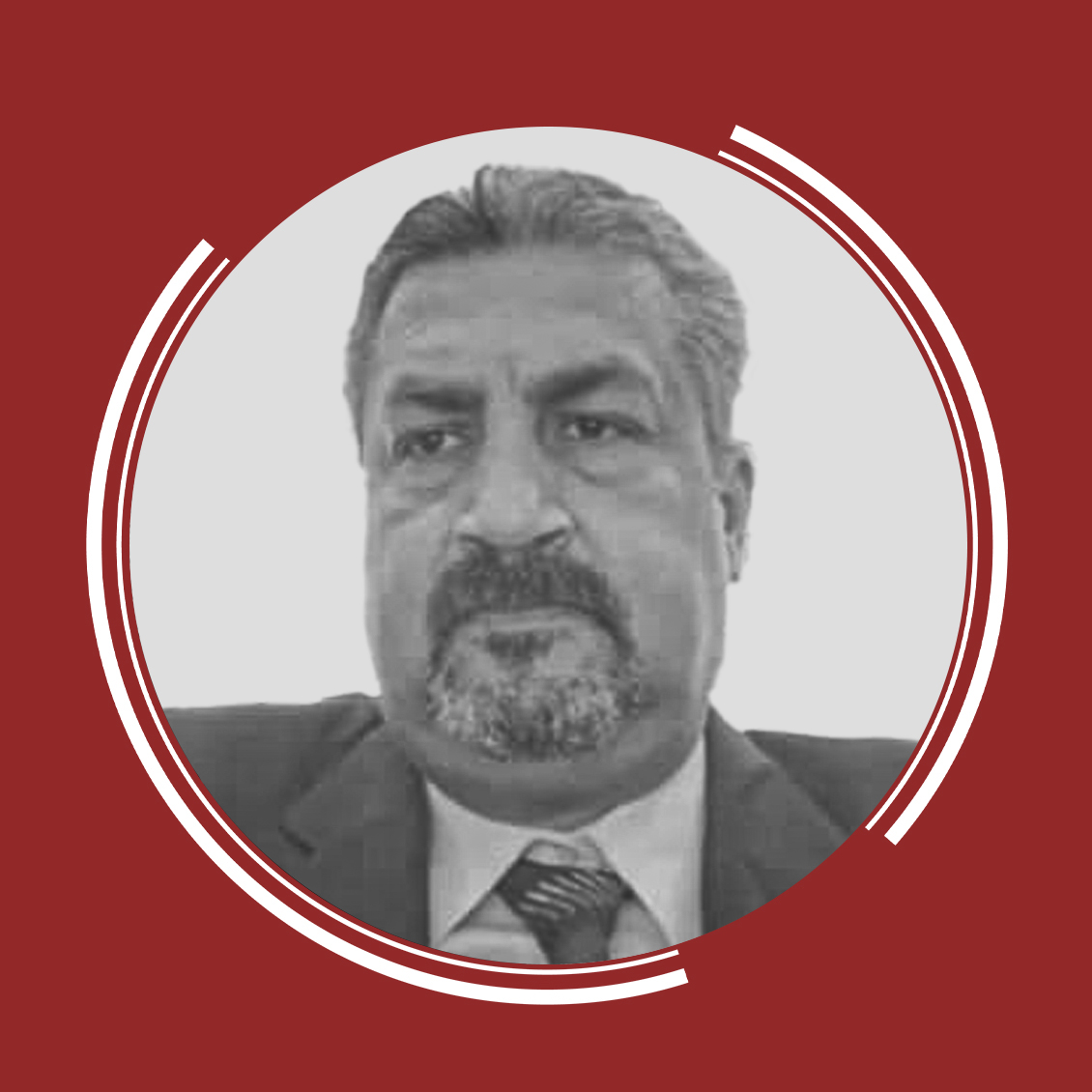

A controversy has swept through public and official circles in Aleppo after a Syrian businessman submitted an unusual proposal to the governorate: a donation of one million dollars for development projects in exchange for naming one of the city’s main streets after his late father. The request has sparked a broad debate about the boundaries between the private sector and the public sphere, the ethics of conditional donations, and the state’s duty to protect public spaces from symbolic privatisation. Supporters argue that “a street name is only a name, while a million dollars could support struggling families or repair water and electricity networks”. Opponents warn that “identity and collective memory are not commodities and cannot be auctioned to the highest bidder”.
A similar case occurred in France in 2016, when the Paris municipality rejected a businessman’s offer to fund the renovation of a museum in exchange for naming it after his son. Then-mayor Anne Hidalgo stated that “public heritage is not for sale, even if the price is its restoration”.
What happened?
A local initiative called “Aleppo, Mother of All” emerged with several businesspeople pledging financial support, including the one-million-dollar offer. Reports began circulating that the Aleppo governor had promised to name a street after the donor’s father as a form of recognition linked directly to the contribution. This sparked a wave of criticism and debate on social media, where many argued that street names are part of collective memory and should not be turned into negotiable assets.
Legal dimensions: what does Syrian law say?
According to administrative law specialist Dr Khaled al-Hussein, Syria’s Local Administration Law No. 107 of 2011 grants municipal councils the authority to name public streets and squares, provided the chosen names belong to figures widely recognised for exceptional service to the nation or community. Al-Hussein told 963+ that “although the law does not explicitly prohibit financial donations in exchange for naming, the general principles of administrative law reject linking public services to material payments, as this could violate equality and equal opportunity”.
Former local council head Nidal al-Husseini explained that naming streets requires formal approval from the relevant administrative council, along with a request outlining the historical or cultural justification. He said names typically honour national figures, community builders, geographical features, or significant historical events. He also pointed to a 2018 ruling by the Administrative Court in Damascus, which rejected a similar request from a wealthy family, affirming that “naming public facilities is a right belonging to society as a whole and cannot be transformed into a purchasable commodity, even if the aim is to finance development projects”.
Social and political dimensions
Social researcher Saleh Khair al-Din told +963 that street names carry cultural and historical meanings and normally reflect figures or events with broad societal consensus. Reducing naming rights to financial capability, he said, threatens the legitimacy of civic narratives. He noted the strong public rejection online, which reflects a wider sensitivity to any perceived attempt to privatise or commercialise public symbols. In a struggling economy, every dollar matters, yet linking essential support to symbolic privileges risks deepening mistrust and weakening long-term solidarity. Societies in crisis, he added, may temporarily compromise on principles under pressure, but such compromises have lasting consequences.
He argued that monetising symbolic values shifts public recognition from achievement to wealth. To avoid political or social tension that might arise from honouring some individuals over others, he suggested adopting neutral names rooted in geography or heritage – such as “Palmyra Street”, “Mount Qasioun Square”, “Dignity Square”, “Civilisation Street”, or “Freedom Street”. Using names linked to national history, culture, crafts, or nature can strengthen inclusive identity. He emphasised: “Syria should belong to all its people, and its streets must reflect collective memory rather than personal legacy. Public spaces must remain symbols of shared values, not items acquired through financial power.”
Ethical dimensions: conflicts of interest and public symbolism
Civil society journalist Lamia al-Habib told +963 that several countries have systems for naming rights in exchange for donations, but these are governed by strict rules. Some U.S. states, for example, allow naming public facilities after donors if the contribution covers at least 80% of construction costs and if approval is granted by a supermajority vote in the municipal council, or even through a local referendum. Leaving such decisions to a single official – such as the governor – invites concerns about opaque exchanges and unmonitored quid-pro-quos. Street names, she said, represent shared identity and collective memory, and tying them to financial gifts risks turning symbolic spaces into transactional assets. She questioned the fairness of recognising only those with money, while overlooking individuals who served their community without resources. Linking naming rights to donations, she argued, undermines trust in genuine goodwill and encourages the perception of “buying status” rather than offering unconditional social responsibility.
Some members of the local council support the businessman’s offer, citing the difficult economic conditions. One council member, who asked not to be named, told +963: “The governorate needs any financial resource it can get to repair infrastructure. If we can name a street after a poet, why not name it after someone who donated a million dollars to rebuild the city? The material benefit is real and directly felt by citizens.”
On the other hand, public ethics specialists call the proposal “a serious deviation from the true concept of charity”. Dr Suheir al-Hassan told +963 that “true donation comes without conditions and giving that seeks symbolic reward is a form of self-promotion and an attempt to buy collective memory. This blurs the line between achievement and wealth.” She warned that accepting such offers could lead to the commodification of the public sphere, where the wealthy purchase street names, squares, and even schools, overshadowing people who genuinely contributed to society. She added that street names should reflect national identity, not personal status or influence, and that opening the door to such exchanges could distort decision-making and prioritise donors’ financial power over public interest.
Proposed alternatives
Residents of Aleppo interviewed by +963 suggested several ways to secure funding while preserving principles. University student Farah al-Jaber proposed accepting donations without any naming conditions and honouring donors through plaques at funded sites. Academic assistant Ahmed Abdulmajid recommended creating a public “Benefactors Wall” listing major contributors without associating them with specific public spaces. Taxi driver Mahmoud Sharif called for establishing a national reconstruction fund with transparent regulations that prevent any form of symbolic privilege in return for financial support.
Lawyer Samir al-Hameed suggested amending legislation to allow naming parts of public projects – such as a hospital hall or a school wing – after donors, while keeping major street names untouched. He argued that the Aleppo case highlights a deeper ethical and legal dilemma facing societies in periods of transition and reconstruction. Poverty should not push communities to sell their symbols, he said, and necessity should not force them to compromise on principles. Aleppo deserves all possible material support, but it also deserves to protect its collective memory from becoming a commodity in a marketplace of financial bids.
The governorate has not yet announced its final decision. Whatever the outcome, this case is likely to influence future discussions on how societies navigate the tension between material needs and symbolic values during times of crisis.











