


Farah Darwish
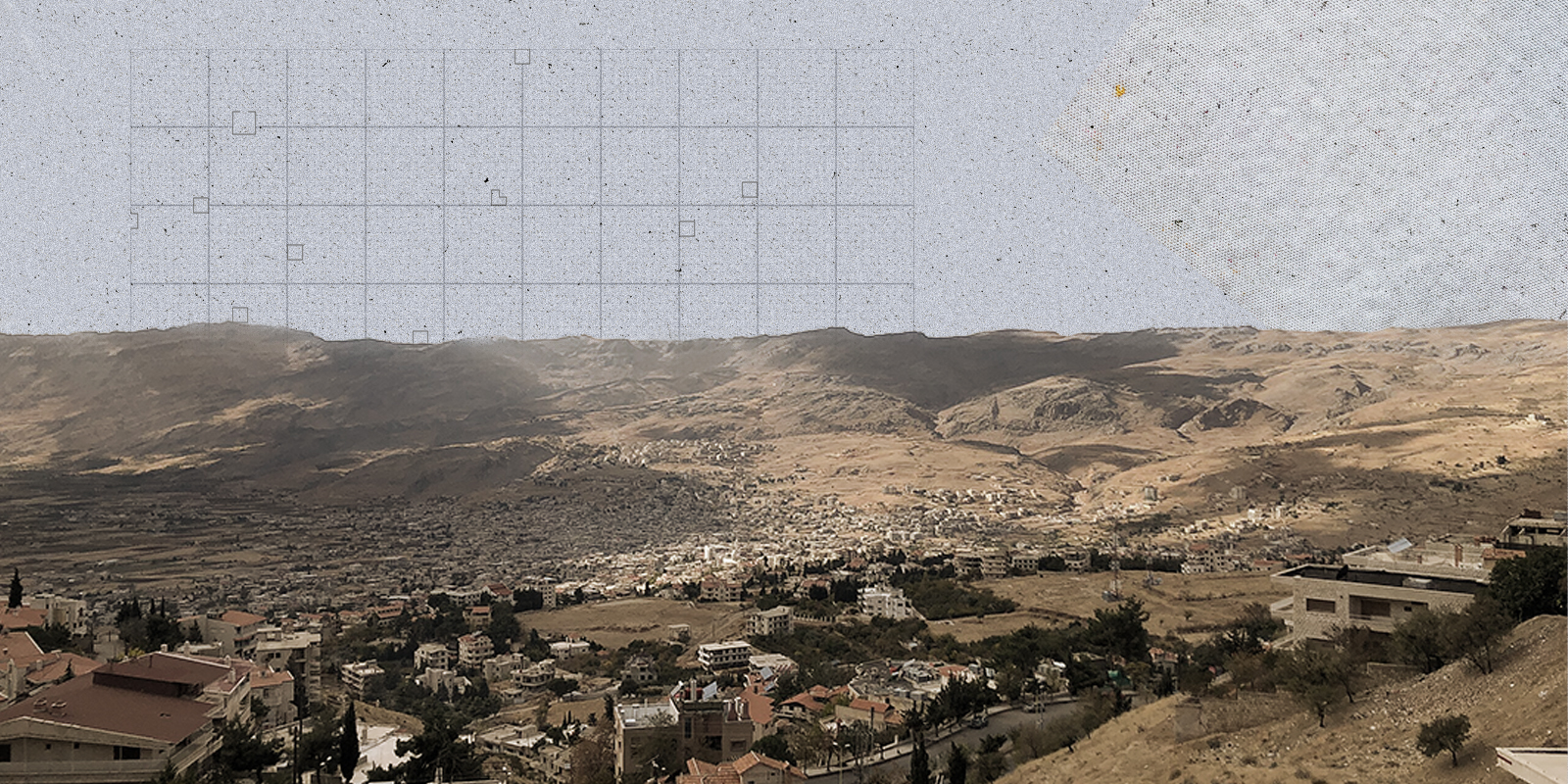
Today, drought grips the Zabadani Plain, one of the most important agricultural lands in the Damascus countryside, placing farmers and local residents before challenges unlike any they have faced before. Once known for its abundant water and fertile soil, and long regarded as a primary source of fruit and vegetables that supplied Damascus and its surrounding markets, the plain now suffers from a suffocating thirst as a large number of wells have run dry. The remaining water is directed exclusively to one destination: Ain al-Fijah spring and the capital, Damascus.
Local residents have launched urgent appeals on social media, demanding that some wells be exempted from serving Damascus and redirected to feed the Zabadani Plain directly, as was done in neighboring town Madaya. Yet so far, these calls have met a wall of bureaucracy and overlapping authorities between the regional directorate, the municipal council, and community committees, while farmland continues to lose its greenery day after day.
This plain, nourished by the Barada River and once defined by a favorable climate that made it a symbol of fertility and vitality, is now living a different reality. Its pure waters, once a blessing to the people, have turned into a doubled hardship as both residents and farmers are deprived of them, leaving the thirsty land waiting for a solution that could bring it back to life.
Read also: Syria’s Wage Increases: A Test of Fiscal Sustainability
Testimonies from the Community
Mousa al-Maleh, a farmer from Madaya, spoke to +963 about his ordeal after the wells dried up:
“The water crisis directly changed people’s lives. Random drilling has reached depths beyond a thousand meters, yet most farmers’ wells have dried because of pumping water toward Damascus. We were forced to rely on tanker trucks to irrigate the trees, but changing the irrigation pattern threatens them with death. Sadly, there are no plans or lasting solutions. Crops have declined significantly, and some farmers did not plant summer crops this year because of dry wells and withering land. The result is catastrophic, and no one cares about the farmers’ livelihoods.”
Another farmer, Ahmad Issa, explains: “The crisis has affected everything, even the morale of farmers. Financial resources are not available, and solar energy is too expensive. Some farmers had to give up part of their land to save the rest. We used techniques like drip irrigation to reduce waste, but production has fallen and consumers also suffer. There are no emergency plans from the Ministry of Irrigation, Agriculture, or the farmers’ associations. Agriculture today is like 5% success against 95% failure. We need radical solutions, not just temporary aid.”
Fawwaz Ibrahim, a farmer from Zabadani, points to the dramatic decline in water levels this year: “My well used to give three inches of water; today it barely produces half an inch. My orchard’s well has dried completely, and I now rely on my neighbor’s. Crops have disappeared, trees have died, and drought has increased plant diseases. We demand that pumping to Damascus stop and water be redirected to Madaya Plain to save what remains. If the Kawthar Spring dries up, the disaster will be complete.”
Another farmer, Ahmad Darwish, concludes: “I spent nearly eight thousand dollars to deepen the well, in addition to six million pounds to buy water. And still, we are on the brink of collapse.”
The Official Position
Engineer Abdel Karim Awad, Director of the Water Department in Madaya, told +963 that the main cause of drought is the lack of rainfall and snowfall, in addition to the diversion of Barada River waters toward Damascus, which has impacted groundwater levels. He explained that Zabadani has two main pumping stations (Esh al-Dubaa and al-Bayyad) with 8–9 wells capable of producing around 450 cubic meters per hour if fully utilized, but power rationing limits their operation. He proposed creating a dedicated power line for the stations, making use of tanks funded by residents and donors, as well as building dams to store rainwater and treating wastewater for agricultural use.
Mustafa Abbas, head of the Zabadani Water Unit, confirmed to +963 that Madaya’s wells were not fully exempted from supplying Damascus, but only partially. He explained that well depletion is due both to low rainfall and excessive exploitation of the aquifer through unregulated solar-powered pumping. He stressed that the administration is working to meet residents’ needs and ease the burden on them.
Read also: Sovereign Wealth Funds: Global Engines of Growth, But Where Does Syria Stand?
The Decline of Agricultural Production
Engineer Hossam Khreita, head of the Zabadani Agriculture Department, described to +963 what he called a “compound crisis” of drought on one hand and groundwater depletion on the other. Rainfall this year did not exceed 169 mm, a very small amount compared with the seasonal average. He confirmed that the region has lost staple crops such as wheat and legumes, and even fruit trees like almonds have been damaged.
Khreita proposed several solutions, including: halting the drilling of new wells and focusing instead on deepening existing ones, adopting modern irrigation techniques (drip and subsurface irrigation) to cut water use by up to 75%, reforestation and vegetation cover to improve the local climate, rationalizing water consumption in both households and agriculture, and refraining from cultivating water-intensive crops such as leafy vegetables and gourds.
He added that preserving agricultural and livestock wealth requires direct government support, whether through compensating affected farmers or securing new water sources. He warned that continued over-extraction of the aquifer without alternatives could soon threaten even Damascus’s own water supply.











