

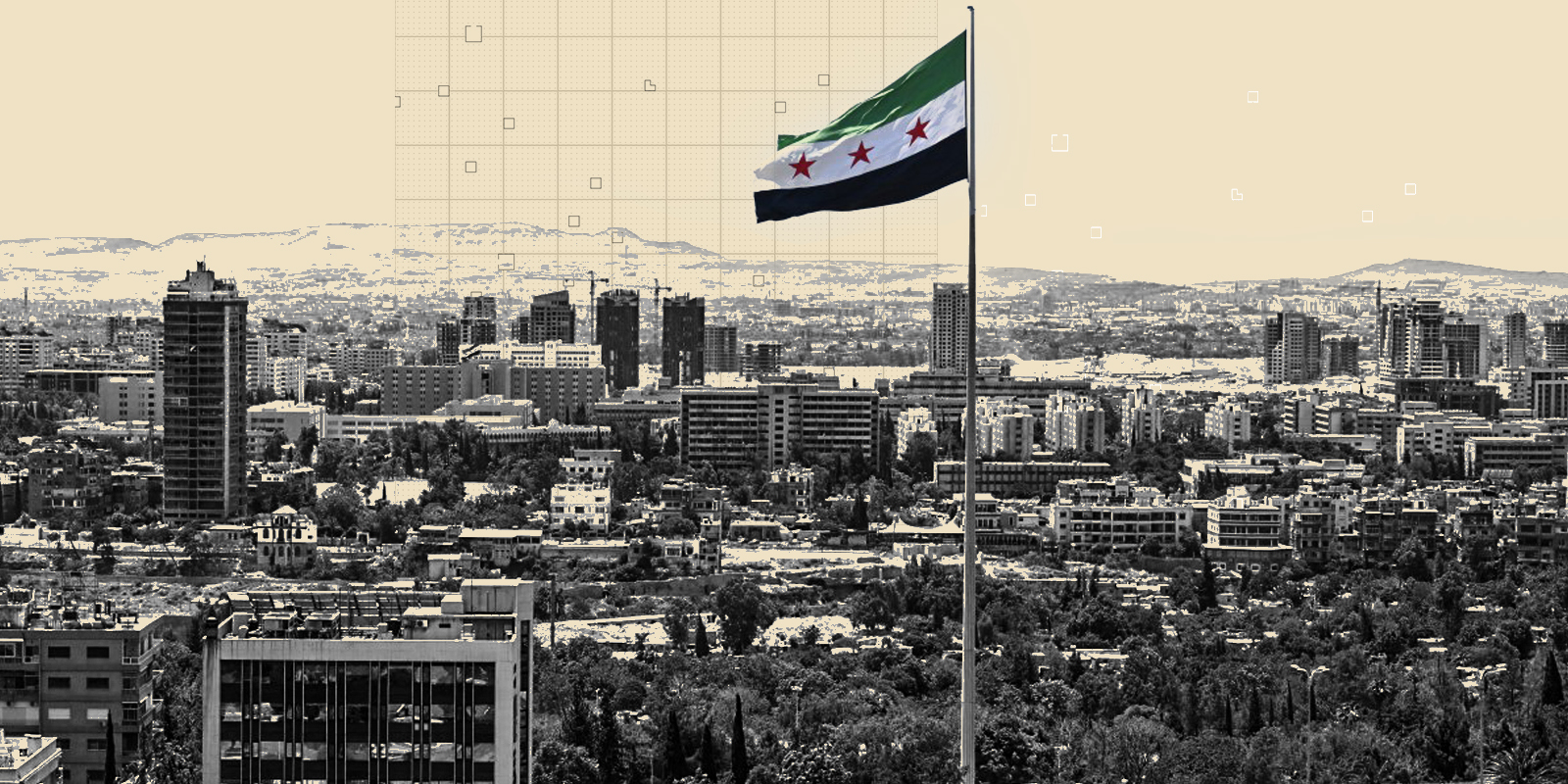
While sovereign wealth funds are today considered powerful economic weapons and strategic investment arms across the world, Syria remains far from this model. Despite being a country rich in natural resources; oil, gas, wheat, cotton, it has never established a sovereign fund. The reasons lie in decades of war, sanctions, declining oil revenues, weak financial institutions, and the government’s constant preoccupation with financing operational budgets rather than building long-term reserves.
The absence of a stable investment environment that allows surpluses to accumulate and be transferred into a sovereign fund has also played a decisive role. Yet, economic experts are increasingly calling for the creation of a Syrian sovereign wealth fund dedicated to development and reconstruction, to be a cornerstone of postwar recovery. Even if launched with modest beginnings, they argue, such a fund could safeguard the nation’s wealth for future generations while helping rebuild what the war destroyed.
What Are Sovereign Wealth Funds?
Dr. Mohammed Al-Ghanoush, former Dean of the Faculty of Economics at Al-Furat University, explained to +963 that a sovereign wealth fund is a financial instrument owned by the state and managed independently, with the purpose of investing financial surpluses; often from oil, gas, minerals, or trade balances.
“These funds,” he said, “are essentially long-term investment treasuries that go beyond traditional savings, enabling countries to build strategic investments both domestically and abroad.”
According to the Sovereign Wealth Fund Institute (SWFI), there are now more than 170 sovereign wealth funds worldwide, managing over $12 trillion as of 2024.
Also read: Can Syria’s First Post-Sanctions Oil Export Spark Economic Revival?
Types of Sovereign Wealth Funds
Drawing on international experience, Al-Ghanoush classified sovereign wealth funds into several main categories:
Development Funds: Designed primarily to foster sustainable economic growth and job creation. They channel state resources into infrastructure and social projects such as hospitals, schools, roads, power networks, and housing rehabilitation for displaced families. Profit is not the main driver, though modest returns may sustain the fund. Examples include Qatar Investment Authority and Mubadala in the UAE.
Investment Funds: These aim to generate direct financial returns by investing in diverse assets such as stocks, real estate, and startups, seeking high yields.
Stabilization Funds: Intended to shield economies from commodity price volatility; particularly oil. Russia’s “Stabilization Fund” is a case in point.
Sovereign Wealth/Generational Funds: Sometimes called “future generations funds,” these save surplus revenues as strategic reserves for the long term. Their goal is to preserve national wealth, strengthen economic resilience, and ensure intergenerational equity. The Norwegian Government Pension Fund, worth over $1.4 trillion, is the largest in the world.
Foreign Currency Reserve Funds: Focused on supporting a country’s currency and balance of payments, such as the China Investment Corporation.
Can Syria Launch Its Own Fund?
Al-Ghanoush stressed that establishing a Syrian sovereign wealth fund dedicated to development and reconstruction would be an important step. But success requires certain conditions: political and economic stability, access to liberated resources, and transparency in fund management.
He argued that even with limited initial capital, Syria could create a fund that gradually expands in scope, provided it is tied to a clear future plan and managed independently of political interference.
“A sovereign wealth fund,” he concluded, “is not just a financial tool. It is a national project that protects the wealth of future generations, rebuilds the economy, and restores people’s trust in the state.”