


Damascus
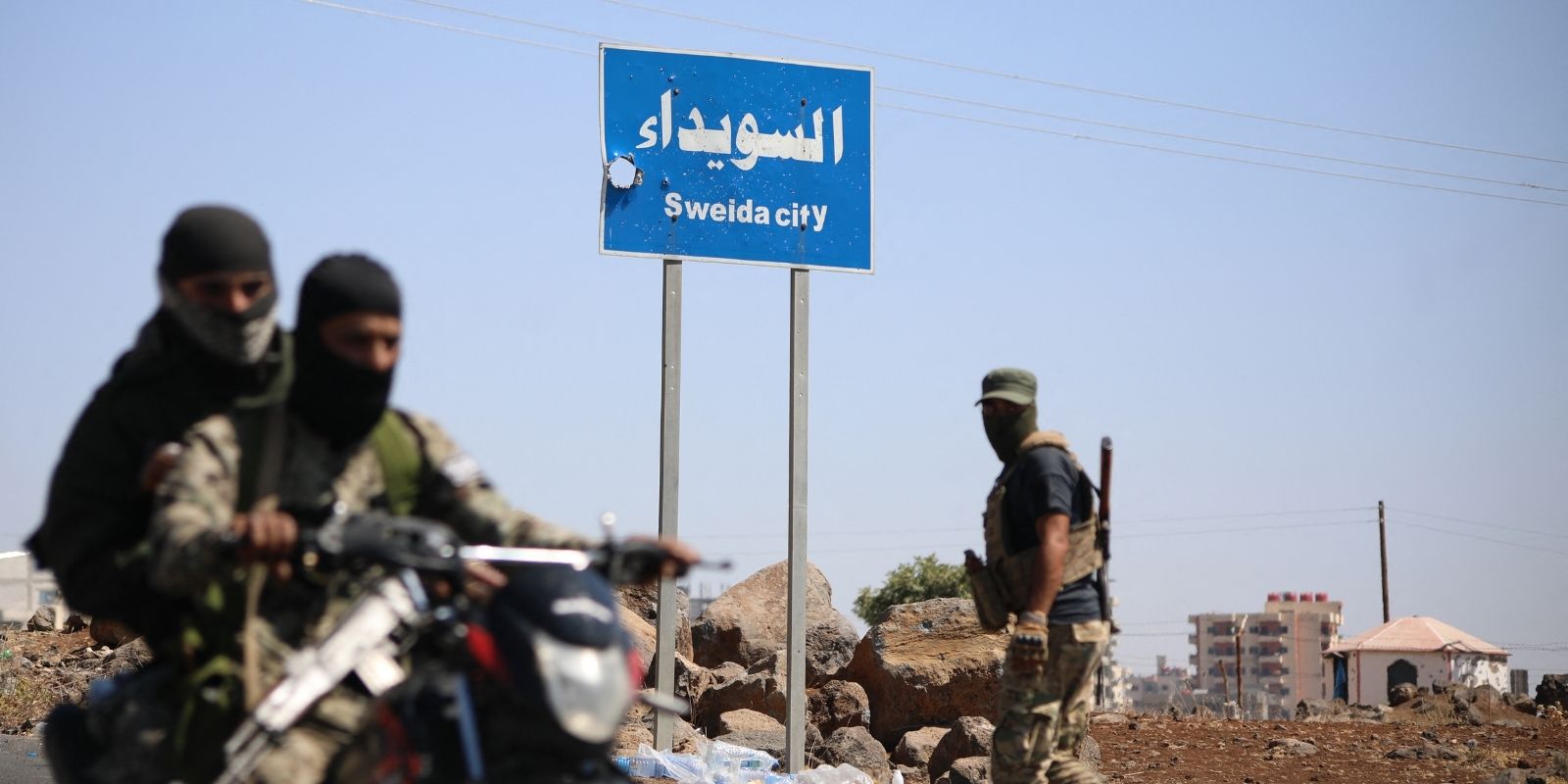
The United States is engaging in diplomatic efforts aimed at reopening the strategic road linking the Syrian capital Damascus with Sweida governorate in the country’s south. However, local complexities have emerged as a key obstacle to these efforts, according to informed sources who spoke to Syria TV on Wednesday.
The sources indicated that Washington’s mediation focuses on opening dialogue channels between the involved parties, following the Syrian government’s completion of technical and security preparations to resume traffic along the route.
Yet these efforts face resistance from local leaders in Sweida, described by the sources as “uncooperative and complicating negotiations.” The American mediator has reportedly placed full responsibility for the road’s continued closure on Sweida’s local leadership.
The dispute over the Damascus–Sweida route has resurfaced, this time with Washington playing the role of international broker amid mounting accusations against local authorities. The matter, observers note, has grown far more complex than a simple transportation issue.
Earlier this week, Syria’s Druze spiritual leader, Sheikh Hikmat al-Hijri, called on the international community to support the Druze community’s demand for an autonomous region in Sweida. Speaking during a meeting with the Men of Dignity Movement led by Mazid Khadaj, al-Hijri urged “the free nations of the world to stand with us in declaring Sweida an independent region.”
Read also: Syria-Israel Security Talks: Path to Normalization or New Regional Boundaries?
He further endorsed the recent formation of the National Guard and a legal committee in the province, portraying them as protective measures for the Druze community. Al-Hijri emphasized: “We are a people of peace, not aggression, but we refuse to be victims of the brutality around us,” while also extending gratitude to the United States and Israel for their support of the Druze.
On Saturday, local factions in Sweida announced the creation of a new armed formation called the National Guard. The factions stated that the aim of the new body is to unify local forces within an organized institutional framework and enhance security in the area. The move received the blessing of the Druze spiritual leadership and key religious and social figures.
According to the group’s founding statement, the National Guard will fully adhere to decisions issued by the Druze religious leadership under Sheikh al-Hijri. The announcement followed a meeting at the spiritual leadership’s headquarters in Qanawat, attended by commanders of local factions and community leaders, who agreed to unify their ranks under the new structure.
Meanwhile, the UN Office for the Coordination of Humanitarian Affairs (OCHA) reported last Friday that a fragile ceasefire remains in effect in Sweida, though intermittent clashes continue. The agency highlighted ongoing killings, kidnappings, and attacks against civilians, underscoring the province’s fragile security situation.
OCHA estimated that around 184,000 people have been displaced by violence in Sweida since mid-July. Of these, 63% remain within the governorate, while others fled to neighboring Daraa and Damascus countryside. Some 13,800 displaced persons have since returned to their towns, the majority to Daraa and a smaller portion to Sweida.
The UN stressed that essential services in Sweida remain severely disrupted. A joint UN mission recently visited the governorate to assess urgent needs in health, water, electricity, and education.











