


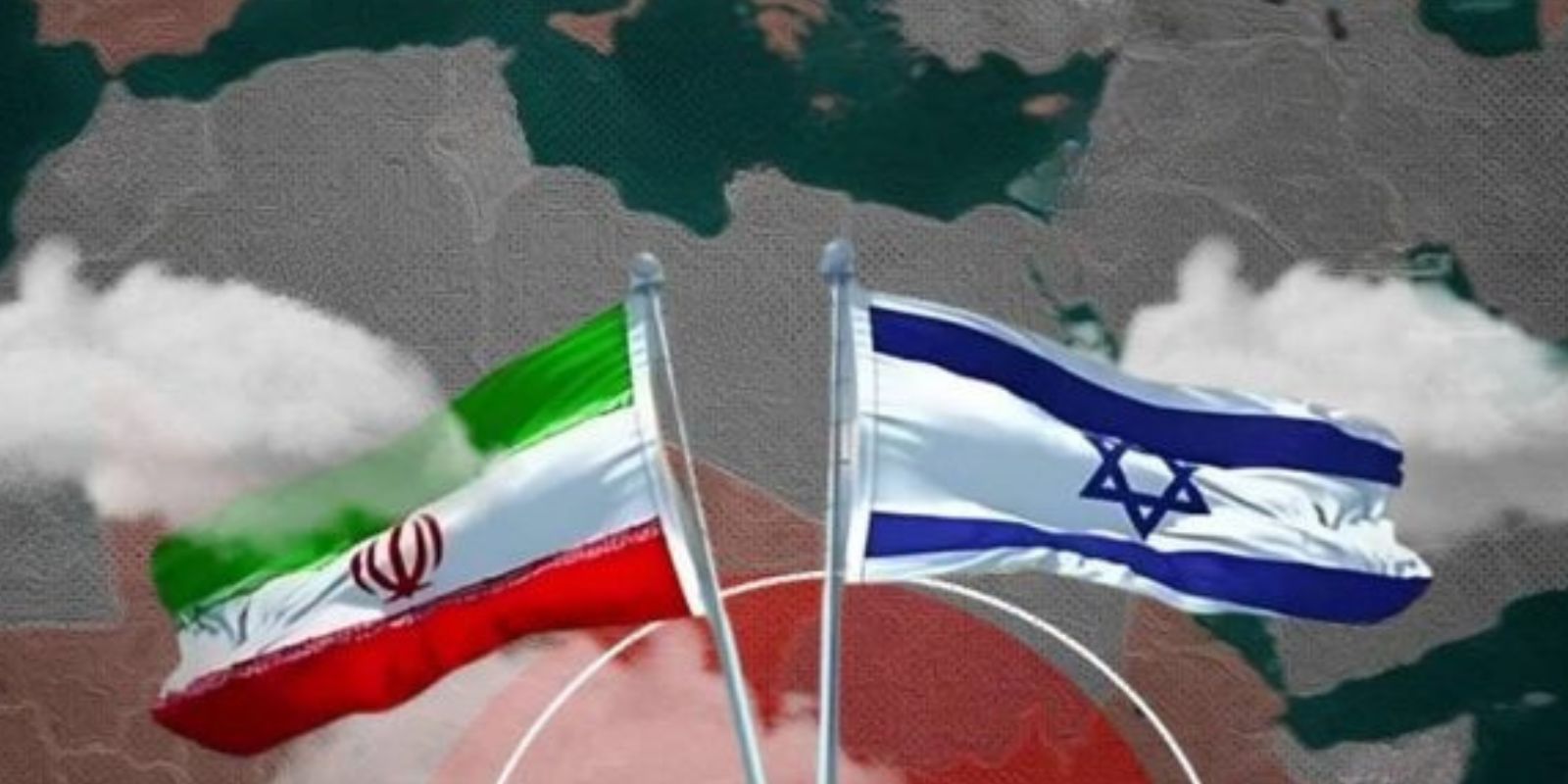
Iran’s spheres of influence, from Baghdad to Beirut, are showing unusual movement. For Tehran, Lebanon has always been a strategic tool; its frontline in the confrontation with Israel.
However, the recent war between Israel and Iran shifted the dynamic, creating a direct battlefield between the two, in conditions that many observers believe were far from ideal for Tehran.
In the past days, Lebanon’s government decided that all weapons must be under the authority of the state. Hezbollah would be required to hand over its arsenal under a phased plan overseen by the Lebanese army. However, the party rejected the decision outright, showing clear discontent.
Soon after, Iran’s foreign minister criticized Beirut’s move, while Ali Larijani set out on a regional tour that included Baghdad, meeting the Popular Mobilization Forces, and Beirut, meeting Hezbollah. The purpose of the trip remains unclear, but it reflects Tehran’s effort to signal strength. Strategic analysts believe the timing points to Israel preparing for another strike against Iran.
At the same time, Iran is reordering its internal house. After the war, it established a new National Defense Council led by Larijani, consolidating 13 security and intelligence bodies into just three. The goal: centralize control and tighten military and security coordination.
On the other side, Israel has launched major military exercises simulating attacks by Iran and Hezbollah. Israeli Defense Minister Israel Katz went further, threatening what he called a new “wedding of blood” in Tehran and even naming Supreme Leader Ali Khamenei as a potential target.
Iran responded quickly. Chief of Staff Abdolrahim Mousavi declared Iran’s armed forces on full alert and promised a harsher, more decisive response to any new attack, accusing the U.S. and Israel of routinely breaking their word.
War on the horizon?
Researcher Ammar Tasaei believes war is close. Speaking to +963, he said that Netanyahu’s recent message to the Iranian people, urging them to revolt against their government, was not casual talk, but part of a bigger plan.
He recalled that Netanyahu made a similar statement just before the last 12-day war and argued that Israel now sees a rare opportunity: Donald Trump back in the White House, Republicans rallying behind Israel, and Iran struggling under economic and social strain.
He also pointed to Europe’s potential activation of the “snapback” sanctions mechanism, which could further shake Iran’s economy, alongside Israel’s recent large-scale drills as preparation for either an Iranian attack or its allies in the region.
Another strike likely
Major General Dr. Sayed Ghoneim, a NATO fellow and visiting professor in Brussels, told +963 he also expects Israel to strike Iran again soon, and that Tehran is preparing for it.
He said Israel is aiming not just at Hezbollah and Gaza, but also at Iran’s allies in Iraq, as part of a bigger strategy to dismantle Tehran’s network. He highlighted Iran’s creation of the new defence council and consolidation of its security services as a sign that it is bracing for a large-scale confrontation.
Lebanon at the Crossfire
Lebanese Prime Minister Nawaf Salam, meeting Larijani in Beirut, sent a firm message: Iran’s criticism of Lebanon’s sovereign decisions was unacceptable. He insisted that all arms must remain under state control, stressing that Lebanon’s ties with Tehran should pass only through official institutions; not Hezbollah.
Still, Hezbollah’s rejection of the weapons decision leaves Lebanon exposed. Military analyst Brigadier General Marcel Baloukji told +963 that the unresolved issue keeps Lebanon vulnerable to Israeli strikes, even if no full-scale war breaks out. He warned this would erode Western and Arab support, leaving the weapons file hanging unresolved, just like the Palestinian issue.
He concluded that Lebanon risks becoming a bigger arena for Iran’s proxy wars, waiting for U.S.–Iranian understandings that may never come.
Scenarios ahead
These developments point to several possible scenarios that could soon become reality.
First scenario: Israel may be anticipating an Iranian move on the ground, especially considering Tehran’s recent military drills where it tested missile capabilities after addressing some of its weaknesses.
Second scenario: What we’re seeing might instead be an Israeli ploy, a deliberate deception designed to pave the way for strikes against Iran.
Third scenario: The manoeuvres could simply be routine precautionary measures, with no imminent escalation.
Fourth scenario: Israel could decide to launch a wide-scale offensive aimed at eliminating what remains of Iran’s network of proxies in the region.











