


Damascus, Syria – The World Health Organization (WHO) warned on Friday that the healthcare system in Syria’s southern Suweyda province is on the brink of collapse, with hospitals overwhelmed due to a spike in violence, mass displacement, and widespread shortages of medical staff, power, and essential supplies.
Dr. Christina Bethke, WHO’s acting representative in Syria, told a UN journalist that the main hospital in Suweyda is operating at critical capacity. The facility’s morgue reached maximum occupancy earlier this week, according to a UN news report.
Access to healthcare in Suweyda, a region that has remained relatively stable through much of Syria’s 13-year civil war, has become increasingly difficult following recent armed clashes and waves of displacement.
Bethke reported that WHO has documented five attacks on healthcare facilities in recent weeks, resulting in the deaths of two doctors, damage to ambulances, and temporary occupation or destruction of hospitals.
“Ensuring that doctors, nurses and supplies can reach people safely is not just vital for saving lives, it is a responsibility under international law that all sides must uphold,” Bethke stressed, adding that all parties to the conflict bear a legal responsibility to ensure access for medical staff and humanitarian supplies.
WHO teams have visited affected areas in Rural Damascus and plan to assess conditions in neighbouring Daraa province in the coming days. “What we saw and heard reflects the extent of the suffering; parents searching for medicine for their children, elderly patients needing urgent care, and medical staff under immense pressure,” Bethke said.
Read also: U.S. Demands Probe into American Citizen’s Killing in Syria
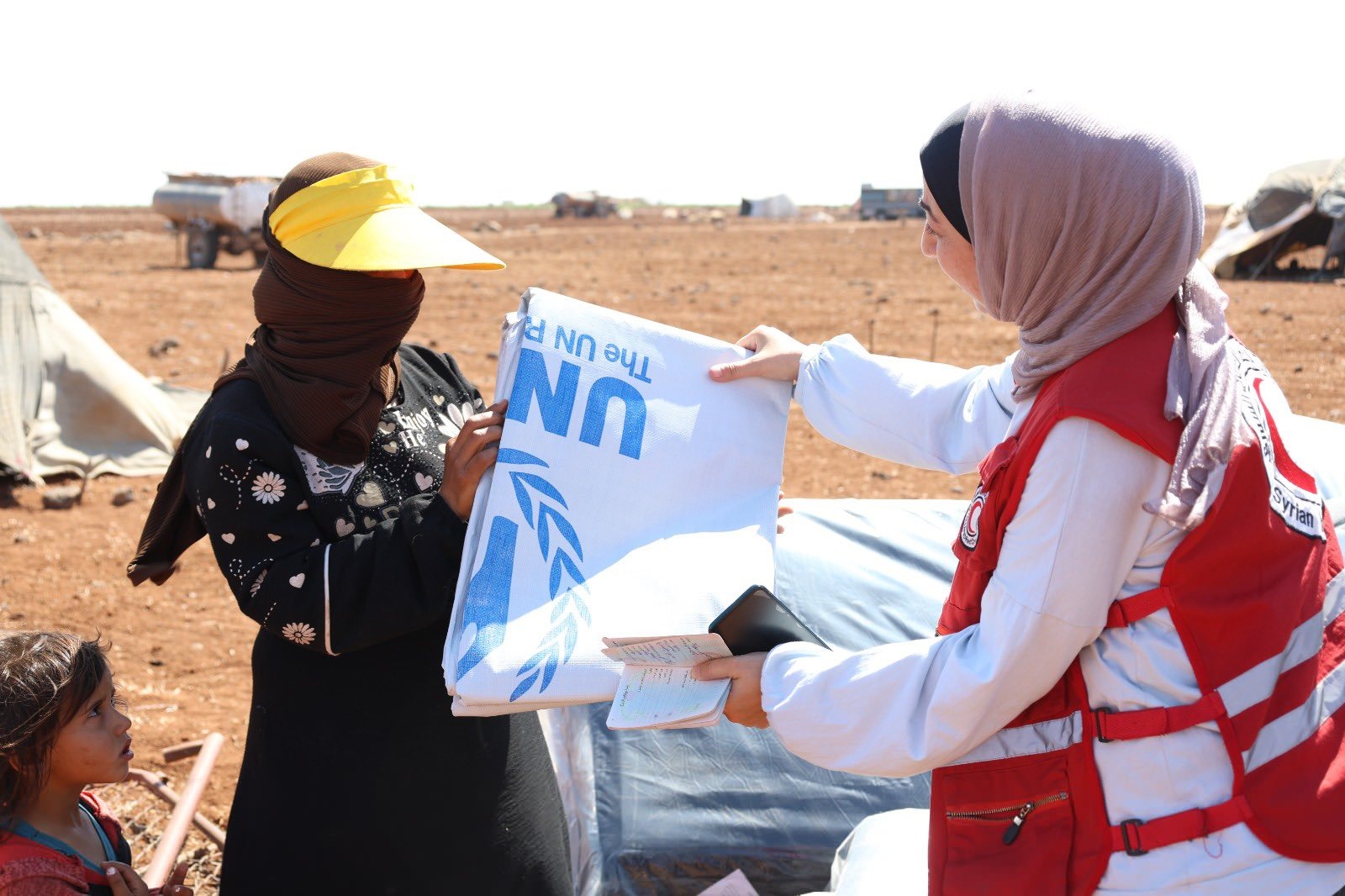
In coordination with Syria’s Ministry of Health and the Syrian Arab Red Crescent, WHO has deployed mobile medical units to provide urgent consultations, maternal and child healthcare, psychological support, and to distribute essential medicines.
The warning comes as the UN Office for the Coordination of Humanitarian Affairs (OCHA) announced Thursday that over 145,000 people have been displaced from Suweyda due to recent violence. Many have sought refuge within the province, while others fled to Daraa and Rural Damascus.
Despite a declared ceasefire, the region remains volatile. OCHA reported sporadic clashes, drone and mortar attacks, and intense aerial surveillance involving helicopters and warplanes. Civilians in towns such as Shahba have faced strikes that damaged infrastructure and disrupted telecommunications.
Suweyda and other areas in southern Syria are experiencing severe shortages of electricity, fuel, clean water, and communications. Market closures and bakery shutdowns have also worsened food insecurity, OCHA said.
Emergency teams have evacuated over 1,100 civilians, including women, children, and the elderly, many injured by the recent escalation.
Humanitarian partners, led by the Syrian Arab Red Crescent, continue to deliver aid. A first relief convoy recently reached Suweyda and the nearby town of Salkhad, carrying food, water, fuel, and medical supplies.
Ongoing displacement in Suweyda, Daraa, and Rural Damascus has left shelters overcrowded, with insufficient sanitation and water services. The presence of unexploded ordnance has further heightened risks for already vulnerable communities.











