


By Dylan Mohammad
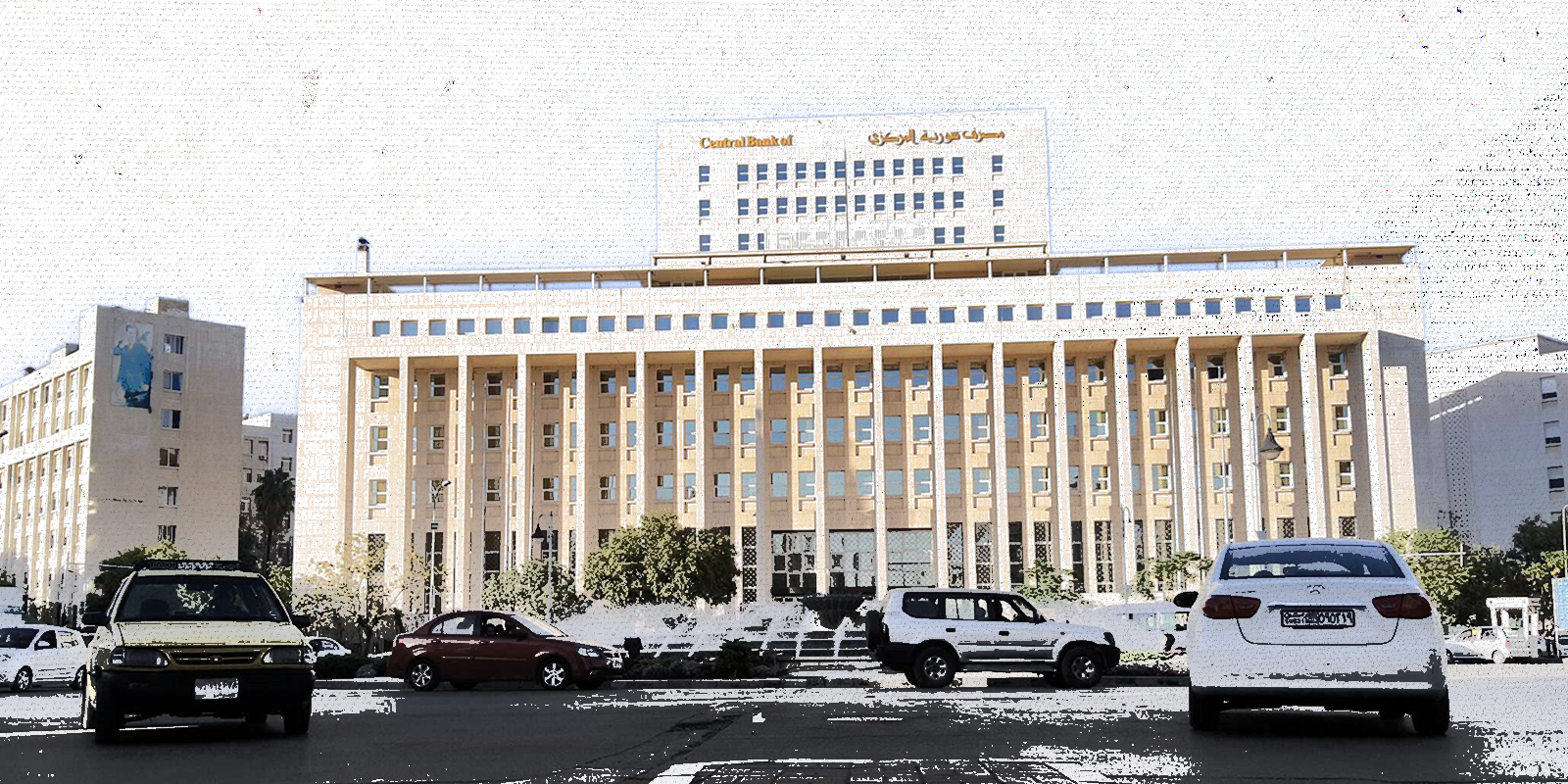
Syria’s new Central Bank Governor, Abdel Qader Hussrieh, announced that the country will not seek foreign loans, in line with directives from President Ahmed Al-Shar, a signal of a new economic approach after years of conflict and international isolation. Hussrieh claimed that the Syrian pound has appreciated by 30% since the fall of Bashar Al-Assad’s government in late 2024, with plans to unify exchange rates without pegging the currency to foreign ones. He also pledged that Syrian banks will regain access to the SWIFT system for international payments.
The governor outlined plans to reform the banking sector, including the creation of a deposit insurance body and offering mortgage loans for Syrians living abroad to boost trust and attract liquidity. However, economic observers remain skeptical that these ambitions can be realized given Syria’s deep structural and financial challenges.
Foreign Debt: Necessity or Burden?
Dr. Ihab Ismandar, an economic researcher, told +963 that rejecting foreign borrowing outright should be carefully evaluated. He argues that debt is not inherently negative if used to finance productive, strategic projects that strengthen economic output. However, it can easily become a burden if repayment capacity is weak.
“Syria is facing a severe resource gap,” Ismandar explains, noting that exports plunged from around $14 billion in 2011 to just $1.2 billion in 2024, while GDP has shrunk to about $8 billion.
He argues that relying solely on domestic production and exports is unrealistic under current conditions without substantial investment and a business-friendly environment.
On the pound’s recent rise, Ismandar believes the improvement is temporary and driven by sanctions relief and tight controls on cash flows, rather than real economic growth. Without genuine reform and increased production, he expects the currency’s value to remain fragile.
Unifying the Exchange Rate: Complex Obstacles
Ismandar warns that while the Central Bank might merge official rates, it currently lacks the tools to control the parallel (black) market due to limited foreign reserves and low public trust.
He stresses that real currency stability depends on reviving domestic production and growing remittances, which now cover more than 60% of household expenses and are estimated at $1.8–3 billion annually.
Reconnecting to SWIFT is positive but will not bring quick results unless the financial and regulatory environment improves. A deposit insurance mechanism could help rebuild trust in banks but won’t be enough without broader political stability and structural reform. Loans for expatriates, he adds, are mostly symbolic and unlikely to persuade Syrians abroad to return or invest without clear security and economic guarantees.
A Critical Look at the New Approach
Dr. Razi Muhyiddin, CEO of Rawabit Consulting, argues that the announcement about avoiding foreign debt is more a reflection of Syria’s isolation and limited access to global credit than a strategic choice. He sees the narrative as largely political meant to reinforce the image of economic sovereignty.
In remarks to +963, Muhyiddin points to alternative financing options like public-private partnerships (PPPs), domestic bonds and Islamic sukuk, leveraging state-owned assets, and modernizing the tax system. But he emphasizes that all of these require legal and administrative stability.
“Depending on exports and production is reasonable in the long term but unrealistic now,” he says, citing a broken infrastructure, sanctions, and lack of funding. Unifying the exchange rate, he notes, would also require larger reserves and tighter control over informal markets, alongside banking sector restructuring.
SWIFT and Remittances: A Lifeline, for Now
Muhyiddin stresses that reconnecting to SWIFT is an important step but will not transform the economy overnight without resolving regulatory and technical hurdles. For the foreseeable future, remittances will remain Syria’s most reliable source of foreign currency.
He insists that meaningful economic policy must include institutional reform, stronger governance, an independent central bank, anti-corruption measures, and real incentives for domestic production.
While mortgage loans for Syrians abroad could stimulate the housing market if they come with clear legal guarantees and fair interest rates, he believes they alone will not restore investor confidence or spark large-scale capital inflows.
The Central Bank’s recent statements highlight an ambition to break with reliance on external debt and rebuild economic trust. But experts caution that deep structural weaknesses, limited resources, and a fragile investment climate pose significant obstacles. Without genuine institutional reform and the rule of law, Syria’s path to sustainable economic recovery will remain uncertain.











