


Over the past 14 years, Syria’s devastating war has caused immense human and economic losses. Yet, beyond the headlines, the environment remains the silent victim; heavily impacted by military operations, infrastructure destruction, and the collapse of government institutions.
The war has left deep environmental scars: air and water pollution, widespread deforestation, accelerating desertification, loss of biodiversity, depletion of natural resources, and a growing solid waste crisis. These challenges have compounded the hardships faced by Syrians and threaten the country’s long-term recovery.
As armed conflict has subsided in many areas, environmental experts and civil society activists are calling for urgent attention to Syria’s ecological damage as a key part of rebuilding efforts. They warn that ignoring these issues could lead to even more severe consequences lasting decades.
A Devastated Environment
Syria is now among the most polluted countries globally. Dust and fine particles from demolished buildings, unexploded ordnance, and toxic military materials such as lead, mercury, and copper have reached concentrations three times above the safe levels recommended by the World Health Organization. This pollution surge has contributed to rising cancer rates and increased mortality.
Safe drinking water remains scarce, as international reports estimate that 90% of Syrians lack reliable access to clean water. Meanwhile, the solid waste crisis worsens, with uncontrolled dumping and burning releasing harmful toxins into the air and soil, contaminating groundwater and endangering human and animal health.
Read also: How Greenhouse Gases Have Redrawn Syria’s Climate Map
Deforestation has been dramatic: Between 2011 and 2023, Syria lost 28% of its tree cover, around 30,000 hectares, due to illegal logging and repeated forest fires. This loss further exacerbates desertification and climate vulnerability.
The Role of Civil Society
Despite the immense challenges, Syrian civil society has stepped up. According to Dr. Rifaat Amer, a sustainable development researcher, environmental work is a vital pillar in Syria’s reconstruction. Local NGOs have taken on tasks ranging from pollution cleanup, natural resource rehabilitation, promoting renewable energy, reforestation campaigns, and waste management.
Environmental consultant Jimin Ibrahim from the NGO “Green Nes Syria” highlights the essential role of awareness-raising and advocacy. However, she notes that low environmental awareness among the public and limited integration of environmental considerations in rebuilding projects remain major obstacles.
Challenges on the Ground
Although civil society has proven vital in protecting Syria’s fragile environment, it still faces serious obstacles that limit its impact. According to environmental consultant Jimin Ibrahim, the lack of funding remains one of the biggest barriers. “Insufficient support slows down recovery and development efforts by civil society and environmental organizations,” she explains. “After so many years of conflict, Syria needs substantial financial resources to repair damaged water stations, clean up polluted rivers, and restore lost vegetation.”
Ibrahim emphasizes that environmental concerns must be fully integrated into the rebuilding of cities and infrastructure to ensure long-term sustainability. She calls for stronger environmental laws to prevent urban sprawl from encroaching on agricultural land and urges local authorities to expand green spaces in urban areas.
Researcher Rifaat Amer highlights other pressing challenges, including ongoing conflict and instability in parts of the country, the lack of updated environmental legislation, a shortage of trained experts, and limited domestic and international funding. He also points to logistical difficulties linked to Western sanctions and a crippled banking system.
Read also: Syria’s Chemical Weapons and the Hidden Health Crisis
These factors, Amer notes, complicate the movement of people and resources, hamper sustainable development efforts, and make it difficult to implement long-term environmental projects. Addressing these challenges, he argues, is crucial to ensuring that civil society can continue playing an effective role in Syria’s environmental recovery.
Local Initiatives Driving Change
Despite hurdles, many grassroots initiatives and NGOs have emerged across Syria. Examples include:
- The Environment and Sustainable Development Association, running awareness campaigns on waste and climate change.
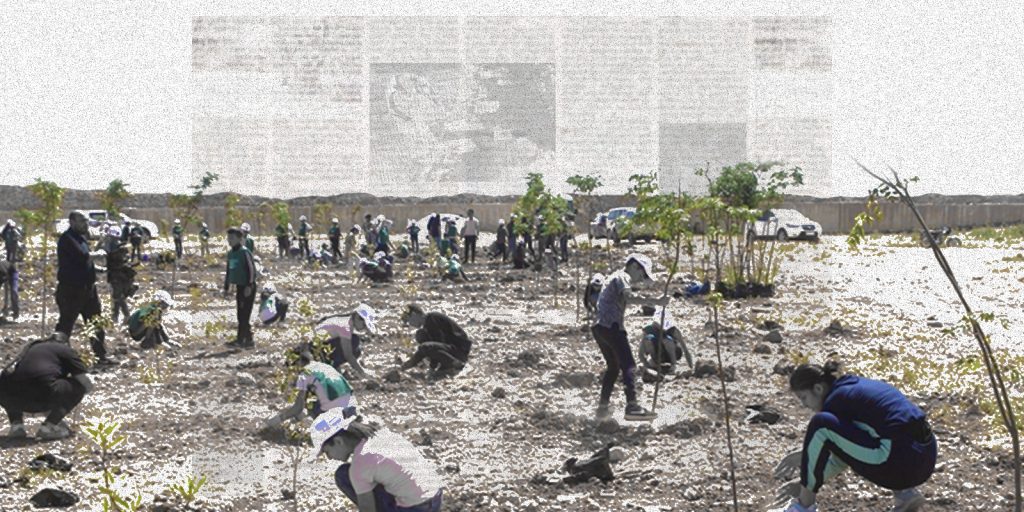
- Eco Syria, a youth-led group focused on tree planting and environmental education.
- The Syrian Environment Forum, providing policy recommendations to local authorities.
Volunteers have organized cleanup drives, innovative recycling projects, and social media campaigns to spread environmental knowledge. Noteworthy projects include:
- “Khadderha” in Idlib, which planted over 10,000 trees since 2022.
- A plastic recycling initiative in Qamishli that collected 15 tons of plastic over two years.
- The “Clean Your Neighborhood” campaign in rural Damascus, engaging over 500 volunteers.
While some international agencies like UNDP, FAO, and UNEP have supported water resource management, land restoration, and solar energy projects in rural communities.
Looking Ahead: Recommendations
Experts call for better coordination among Syrian organizations, enhanced public environmental education, and more financial and logistical support. Dr. Amer urges integrating environmental priorities into reconstruction policies, promoting green economy projects, and strengthening environmental education, especially since many schools lack basic environmental services.
Despite Syria’s daunting environmental challenges, these grassroots efforts signal growing awareness and hope. The next phase of recovery must unite local and international actors in a comprehensive approach that places environmental restoration at the heart of rebuilding Syria’s future.











