


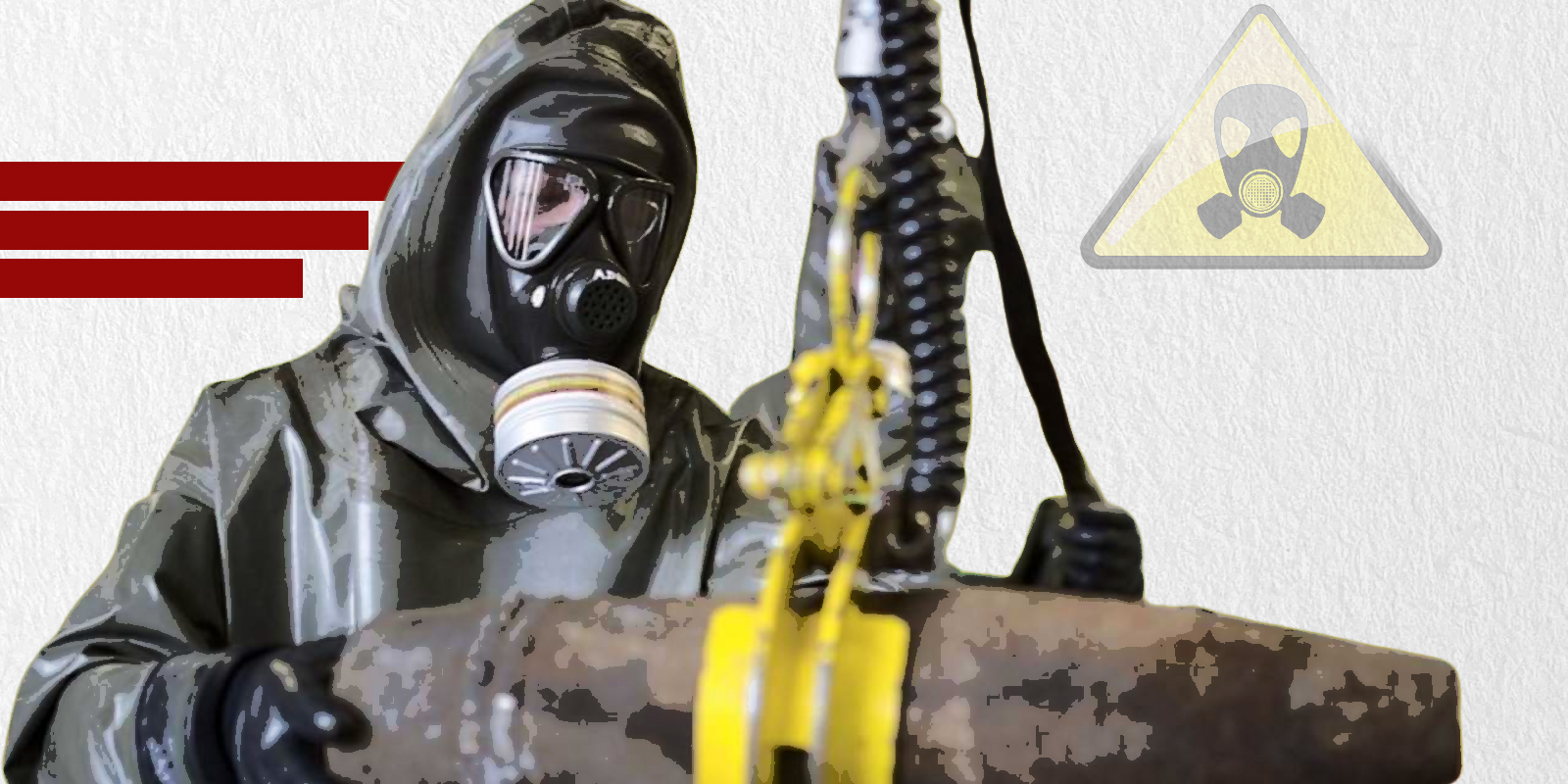
More than a decade after the first chemical attacks in Syria, the scars they left behind go far beyond the immediate devastation and loss of life. Survivors continue to suffer from severe respiratory illnesses, permanent lung damage, neurological disorders, and stubborn skin diseases. Many also fear the long-term genetic impacts that could affect future generations.
This report looks beyond the battlefield; tracing how chemical weapons have left a deep and lasting mark on Syrians’ health and environment. It draws on testimonies from survivors, doctors, and experts to paint a clear picture of one of the deadliest public health crises to follow the conflict.
Chemical weapons, including deadly agents like sarin, chlorine, and mustard gas, are some of the most dangerous tools of war ever created. According to the Organisation for the Prohibition of Chemical Weapons (OPCW), these agents cause not only instant death but lingering harm to humans and nature alike. The OPCW was founded to enforce the 1993 Chemical Weapons Convention, which bans the production and use of such weapons and requires the destruction of existing stockpiles. Syria joined the agreement in 2013, only after the devastating Ghouta massacre drew worldwide outrage.
Despite this, Syria has witnessed repeated use of chemical weapons by the former regime and by ISIS. Major attacks hit towns like Ghouta, Khan Sheikhoun, Douma, Saraqib, Marea, Kafr Zita, and Al-Lataminah. The Chemical Violations Documentation Center has recorded over 260 chemical attacks in Syria since 2012, most carried out by the Assad regime.
ISIS also used chemical weapons in smaller attacks, including a sulfur mustard strike on Marea on September 1, which injured 11 civilians. Access restrictions and dangerous conditions have made it difficult to fully document other suspected attacks in places like Eastern Qalamoun, Baba Amr, Khalidiya, and Hasakah countryside.
“The rockets didn’t explode… but they killed.”
Youssef Mahmoud Al-Ghosh, a survivor from Zamalka near Damascus, still remembers the night of August 21, 2013. “At around 2:15 a.m., we heard rockets overhead, but there were no explosions. We thought maybe it was good news, but minutes later, people were screaming: ‘Chemical! Chemical!’”
He recounts scenes that still haunt him. “No wounds, no blood, just bodies convulsing, foam pouring from their mouths and noses. It was like the Day of Judgment. We tried to wash people with water, gave them atropine, put oxygen masks on children, but most died before we could save them.”
What sarin and chlorine do to the human body
Dr. Hogir Ahmed Abdo, a Syrian biomedical doctor, explains that what Al-Ghosh witnessed was consistent with sarin gas exposure, one of the deadliest nerve agents.
“Sarin shuts down the enzyme that controls nerve signals, so the body’s systems go into overdrive: severe muscle spasms, massive secretions, pinpoint pupils, then paralysis of the breathing muscles. Death can come within minutes,” he says.
Survivors don’t always escape the horror. “Many people who lived through a sarin attack suffer lifelong nerve damage, memory loss, chronic depression, and incurable respiratory problems,” he adds.
Chemical weapons expert Ahmad Al-Ahmad puts the Ghouta attack into perspective: “It was the largest chemical weapons massacre of this century. We confirmed 1,127 deaths (including 107 children, and 201 women) and thousands injured. The regime fired rockets loaded with highly concentrated sarin, which explains why so many died instantly.”
A lingering nightmare
The physical aftermath never truly ended. “Entire families were wiped out,” Al-Ghosh says. “Those who survived now live with diseases we don’t even have names for: constant shortness of breath, brittle bones, loss of appetite, and endless mental health struggles.”
Dr. Abdo explains this is not just trauma, it’s chemical damage. Chlorine, another commonly used agent, causes pulmonary edema and destroys lung tissue, leading to lifelong emphysema and chronic bronchitis. Sulfur mustard, also known as mustard gas, is even more sinister. It can cause permanent infertility, birth defects, and cancers of the lung and blood that may appear years later.
An invisible threat that won’t go away
Al-Ahmad warns that most affected areas were never properly decontaminated. “Sulfur mustard can remain in soil for decades and seep into groundwater. This isn’t a one-time tragedy, it’s an ongoing environmental and health disaster.”
Dr. Abdo adds: “The deadliest part of chemical weapons is not just the instant deaths. It’s the slow illnesses that destroy people’s lives months or years later. Sarin causes permanent nerve damage, memory loss, and vision problems. Chlorine leaves people battling chronic lung disease. Mustard gas is linked directly to cancers, infertility, and genetic mutations that can affect children born years later.”
For many Syrians, the nightmare of these attacks didn’t end with the explosions; it lives on in their bodies, families, and the land itself.











