

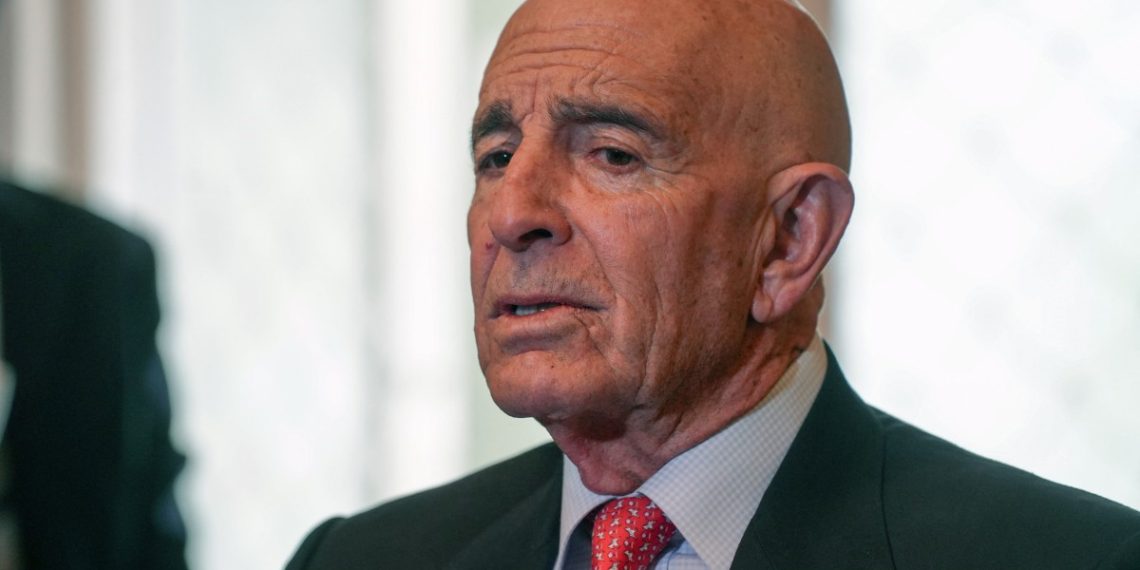
DAMASCUS – U.S. Special Envoy to Syria Thomas Barak held a phone call this week with General Mazloum Abdi, the top commander of the Kurdish-led Syrian Democratic Forces (SDF), as part of Washington’s ongoing efforts to support anti-ISIS operations and encourage political dialogue between Kurdish groups, Turkey, and the Syrian government.
The call took place on Thursday while Barak was in the Syrian capital, Damascus, and was first reported by U.S.-based outlet Al-Monitor, citing informed sources.
During the conversation, Barak reaffirmed continued American military and logistical support to the SDF in its fight against remnants of Islamic State (ISIS) in northeastern Syria. He also urged Abdi to remain engaged in U.S.-brokered de-escalation efforts with Turkey.
According to Al-Monitor, Turkish Foreign Minister Hakan Fidan or National Intelligence Organization (MIT) chief Ibrahim Kalin have floated the possibility of a meeting with Abdi in Damascus.
The proposal hinges on progress in parallel talks between representatives of the Autonomous Administration of North and East Syria (AANES), the political wing linked to the SDF, and officials from Syria’s transitional government. Those discussions were expected to begin Thursday in Damascus.
In a separate interview on Friday with Shams news TV, Abdi said the SDF is open to dialogue with the transitional Syrian government, provided it occurs within a framework that ensures political decentralization and the rights of ethnic and regional communities.
Related: Syrian Kurdish Forces Call for Decentralized Governance in Talks with Damascus
“The integration of SDF forces into state institutions must be part of a comprehensive political agreement,” he said. “We will not accept any arrangement that nullifies our autonomy or reduces our military structure to a symbolic force.”
Abdi added that a full merger into the national army would be a long-term process, potentially spanning years, and must result in a “structured, nationally recognized” force.
Drawing a comparison with Iraq’s Kurdistan Region, Abdi said it represents a useful model for self-governance within a unified national framework, something he believes Syria’s future constitution should accommodate.
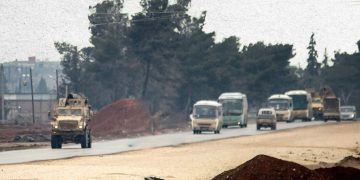
The Kurdish commander also confirmed ongoing military coordination with U.S. forces in Syria, noting that new understandings now govern American movements in the region.
Looking ahead, Abdi said the SDF will increase coordination with the Syrian transitional government on managing ISIS detention facilities, a move aimed at preserving regional stability and preventing extremist resurgence.