


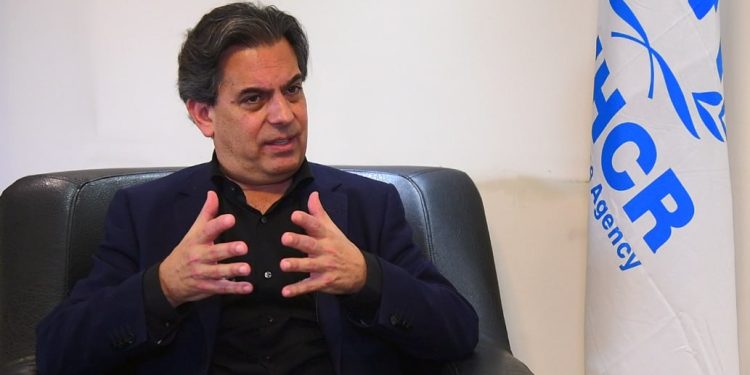
The United Nations High Commissioner for Refugees (UNHCR) will be forced to shut down 44% of its 122 community centres across Syria due to a sharp drop in international donor funding, the head of the UN High Commissioner in Syria, Gonzalo Vargas Llosa, said.
LIosa added that the agency will also reduce its workforce in Syria by roughly 30%, noting that other UN agencies and non-governmental organisations operating in the country are facing similar financial constraints.
He warned that the funding cuts and the closure of centres will significantly reduce the number of Syrians able to access humanitarian aid in 2025, according to remarks reported by Syria’s state-run news agency SANA.
LIosa also said the collapse of the Assad regime had represented a historic opportunity to address the plight of refugees and internally displaced persons, both within Syria and abroad. He noted that many Syrians are now eager to return home, saying the primary reason for their departure “has disappeared,” as he put it.
Related: EU Considers Further Sanctions Easing on Syria
According to LIosa, about half a million Syrian refugees have already returned to their areas of origin, most from Jordan, Lebanon, Turkey, Iraq and Egypt.
He considered that lifting economic sanctions on Syria would significantly boost efforts to support the sustainable and voluntary return of millions of refugees, emphasising that the biggest current obstacle to repatriation is economic.
A recent UN survey conducted among representatives of Syrian refugees across the region found that around 80% expressed a desire to return to Syria. LIosa said.
Meanwhile, World Health Organisation (WHO) Director-General Tedros Adhanom Ghebreyesus said Sunday that 16 million people in Syria are in urgent need of medical care. In a post on X, he said the WHO has expanded its life-saving health services across the country.
Ghebreyesus said the organisation has reached more than 500,000 people in Syria with medical assistance, following a $3 million contribution from the UN Central Emergency Response Fund.
The WHO’s operations in Syria include basic healthcare services, strengthened disease surveillance, and mental health support in the governorates most affected by displacement.
Ghebreyesus appealed to donor countries to step up their support, warning that the lives of millions in Syria depend on continued international aid.











