


By Abdelwahab Baderkhan
Transitional Syria needs a U.S. decision to lift sanctions to rebuild its economy, strengthen internal security, and support the legitimacy that the current leadership continues to seek, both at home and abroad. It was expected that the U.S. administration would set conditions for normalizing relations with the new Damascus. Those same conditions, and even more severe ones, were once imposed on the former regime, which mistakenly believed that its so-called “victory” in its war against its own people would push countries to compete in restoring ties with it, and on its terms.
That regime fell without ever realizing, and its remnants still refuse to acknowledge, that it had weakened Syria as a state, an army, an economy, and a society, both in the present and for the future. Rebuilding what was lost will take many years. The new regime didn’t have to wait long to face the difficult reality it inherited.
The new leadership removed Iran and its militias from Syria, a long-standing strategic demand of the U.S. and several Arab and Western countries. Yet, it did not receive any form of reciprocal support for this major achievement, which was once thought impossible or only achievable through a costly war. This change occurred organically, for the sake of the Syrian people and their revolution above all else and coincided with the fall of the former regime, a regime that many countries had previously offered generous incentives to, encouraging it to break free from Iranian control. These countries have since learned that, if all cannot be achieved, then at least part can: in the end, Bashar al-Assad himself eliminated any justification for preserving his regime.
Read also: Drone Strike and Regional Escalations in Southern Syria
While the new leadership may be met with skepticism, any alternative would have faced the same doubts and would have been subject to a similar series of tests to prove its capacity to be accepted.
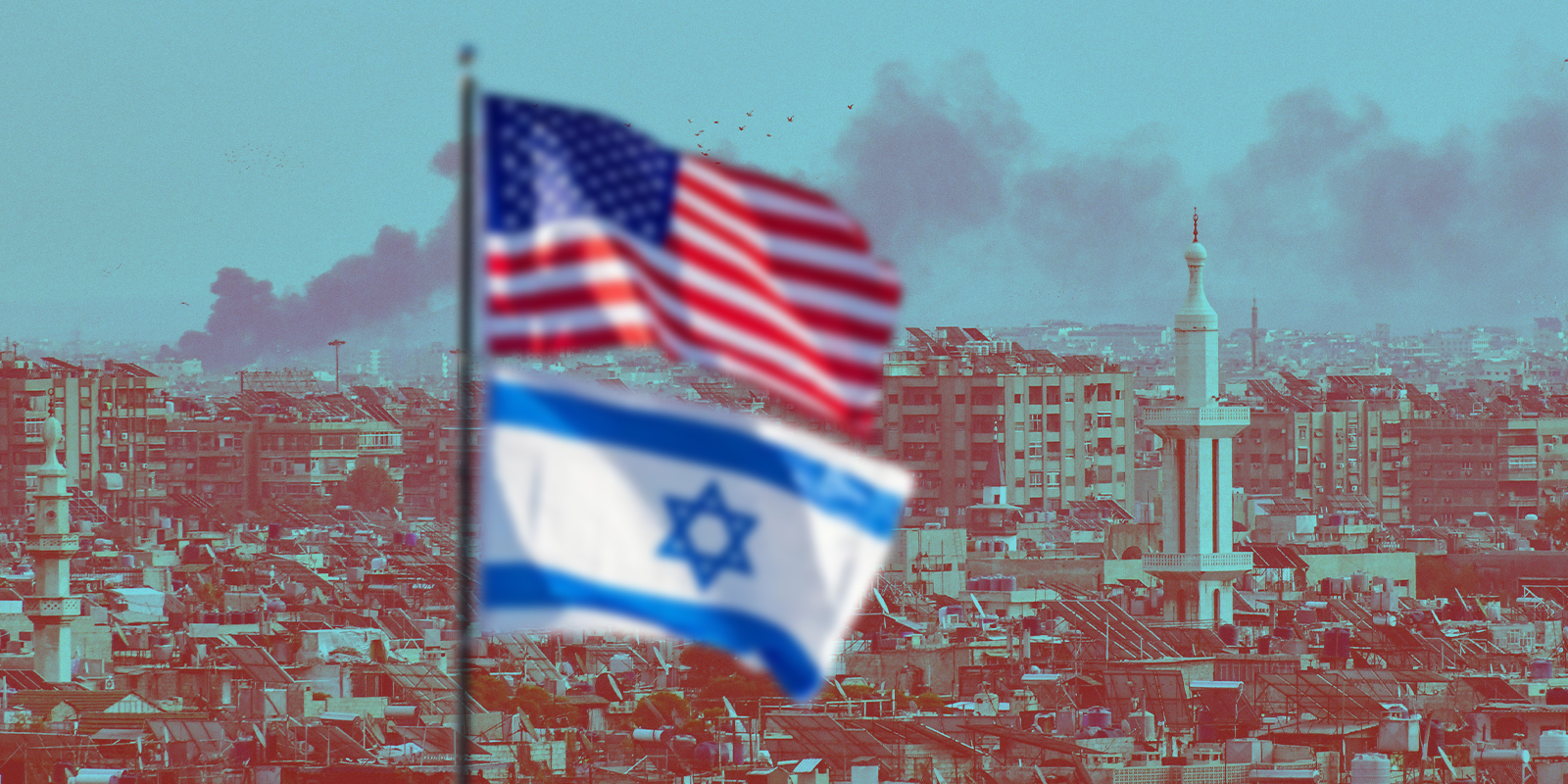
The eight U.S. conditions are just a starting point. They may or may not lead to a two-year suspension of sanctions, depending on Syria’s response, and on whether U.S. decisions are subjected to Israeli demands, which often have a beginning but no end. One of these conditions is to prevent Iran and Hezbollah from re-establishing their presence in Syria. Clearly, the Americans are not more concerned than the Syrians themselves about closing the chapter on Iranian influence. Still, Damascus must closely follow the outcome of U.S.-Iran negotiations, particularly any understandings that might allow Tehran to maintain influence in exchange for limiting its nuclear and missile programs.
As for chemical weapons, reports suggest they were secured in the early hours of retaking Aleppo, and remaining stockpiles were later controlled. Washington sees eliminating these weapons as a top priority. It is certain that the new leadership has no intention of acquiring or using them, and it will likely cooperate with the Organization for the Prohibition of Chemical Weapons (OPCW), under direct American supervision, to document and eliminate the stockpile.
Regarding American detainees or missing persons, it remains unclear how Damascus could find them if they were not in the former regime’s prisons or if any of the regime’s criminals had smuggled them out to use them as bargaining chips. What is certain is that the new rulers have shown goodwill on this issue, including establishing a special liaison office within the foreign ministry. If they had any confirmed information about the missing Americans, they would not hesitate to disclose it.
Read also: Sectarian Mobilization Threatens Civil Peace and Social Fabric in Syria
Washington does not recognize any Syrian entity as the official “government of Syria,” but insists that the transitional leadership commit to counterterrorism efforts. Naturally, Damascus has requested mutual agreements, it seeks to define its role and receive at least some recognition. It also needs support in fulfilling this task. In any case, it has no issue fighting terrorism, although it does face a serious challenge regarding foreign fighters. The new leadership was too quick to naturalize or integrate these fighters, despite knowing that many are wanted by their home countries on terrorism charges. Moreover, Syrian society is unlikely to accept their presence in leadership positions, especially after witnessing their extreme religious behavior and the excessive violence they displayed during the coastal incidents.
The two most pressing challenges facing Syria’s new leadership are Israeli aggression and the difficulty of reuniting Syria’s fragmented social fabric. The two issues are interconnected. Israel has not only penetrated Syrian territory further and occupied new areas, but several of its politicians have openly spoken of “dismantling Syria” as one of their regional goals.
Meanwhile, the transitional government has yet to make real progress in building national consensus. The agreement signed between Ahmad al-Shara and Ferhat Abdi was well-received locally and internationally, but no one expects its implementation any time soon. Relations with the Druze in Suwayda remain unstable, while ties with the Alawite community along the coast are becoming increasingly tense.
Given this, it seems natural to suspect that some marginalized groups are watching Israeli moves and quietly hoping that “fragmentation” will offer them autonomous entities. What’s striking is that Washington shows no real concern about these two challenges, nor any willingness to help overcome them, raising doubts about whether it truly seeks stability in Syria, or merely aligns itself with Israel’s agenda for the country.











